Top Signs It's Time to Replace Your Roof: A Homeowner's Guide


Recognizing the Need for a Roof Replacement
As a homeowner, maintaining the integrity of your roof is crucial to protecting your home. But knowing when it's time to replace your roof can be challenging. What signs should you look for, and how can you tell if a replacement is necessary? Understanding these indicators can save you from costly repairs down the line.
Age of the Roof
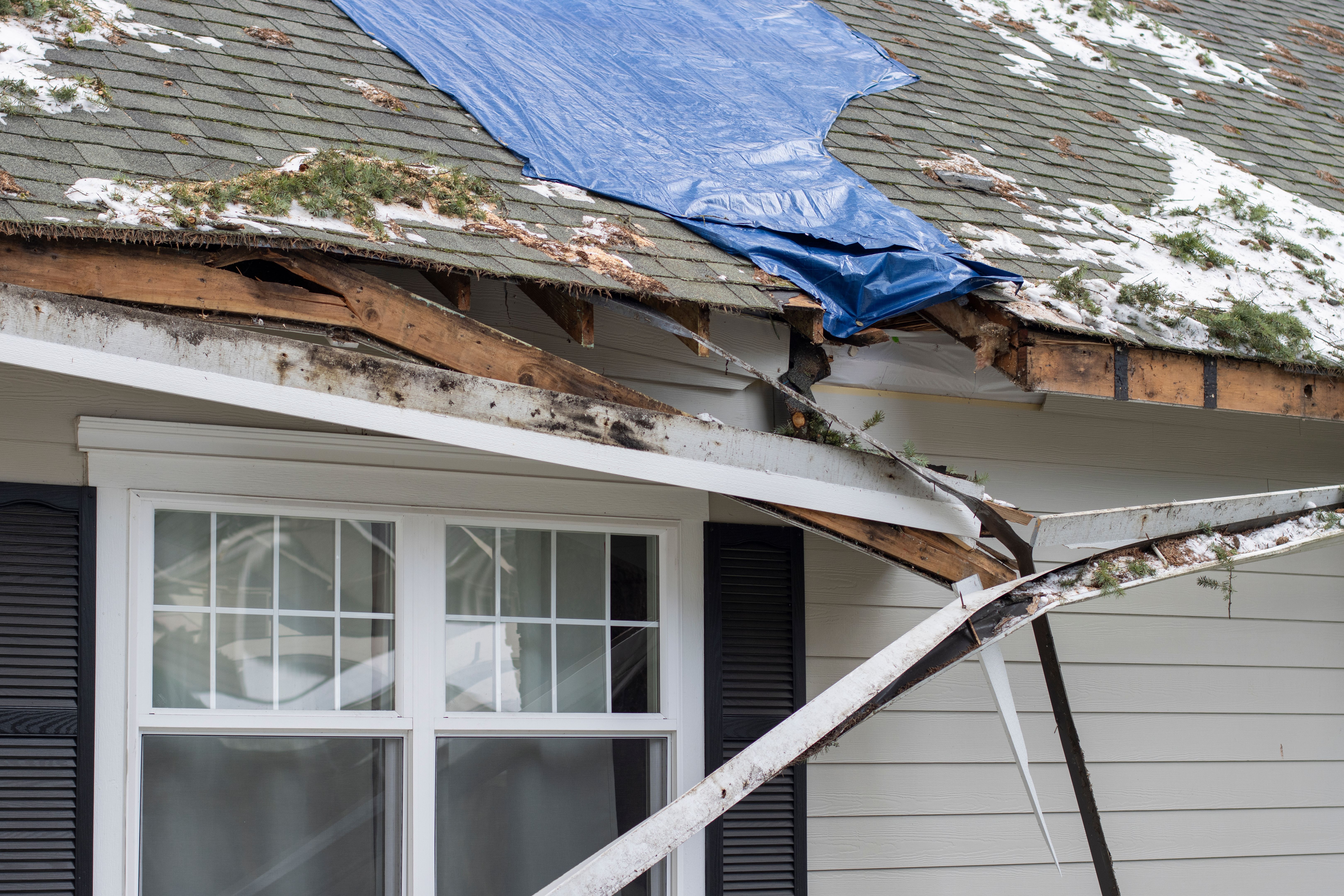
The lifespan of a roof largely depends on the materials used. For example, asphalt shingles typically last 20 to 25 years. If your roof is approaching or has surpassed this age, it might be time to consider a replacement. Regular inspections can help assess its condition, especially if you live in an area prone to severe weather.
Visible Damage and Wear
Inspect your roof for visible signs of damage. Look for cracked, curled, or missing shingles, as these can indicate significant wear. Such damage not only affects the aesthetic appeal of your home but can also lead to leaks and water damage.
Granule Loss
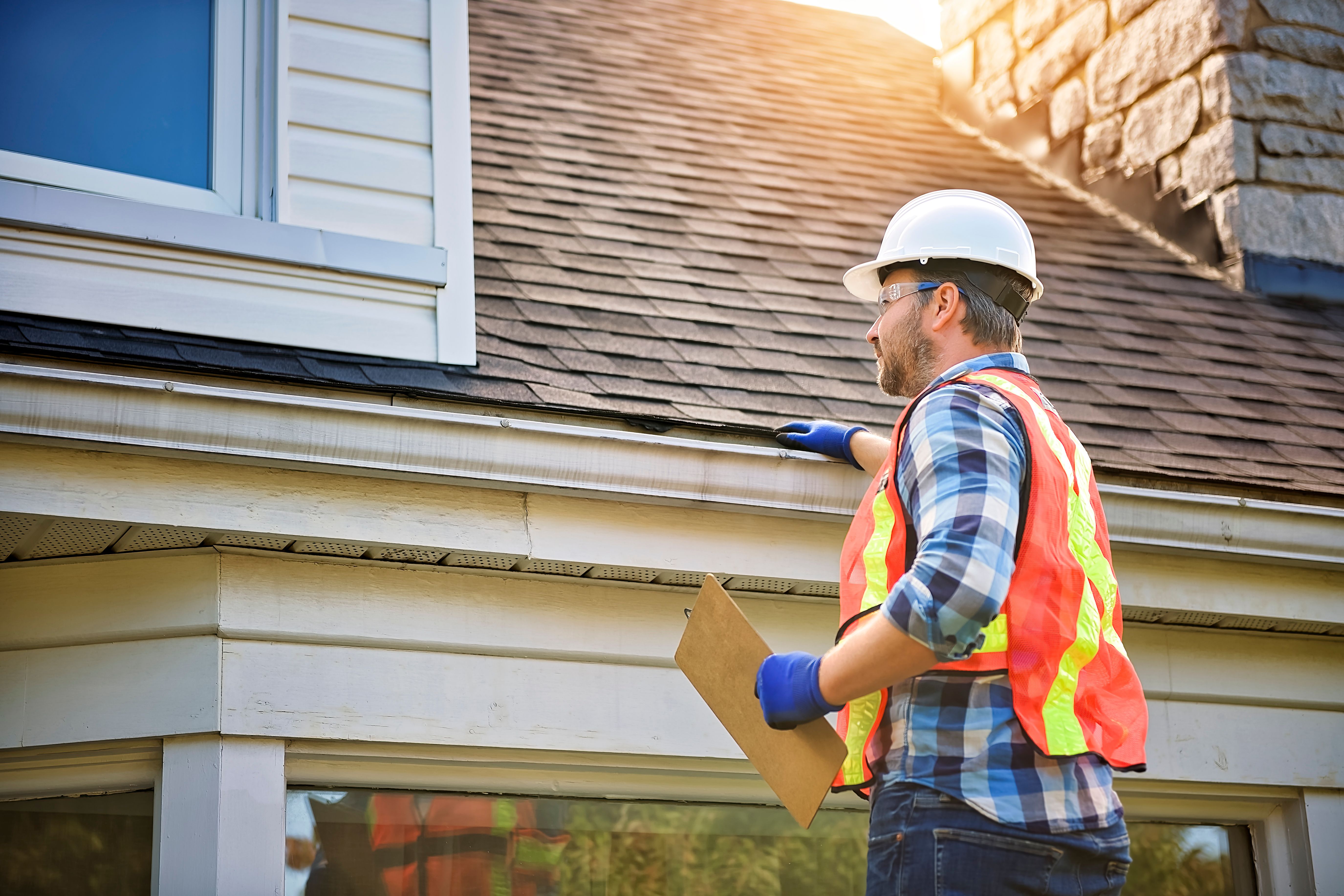
Another sign of roof wear is granule loss. Check your gutters for an accumulation of shingle granules, which often occurs as the roof ages. Granule loss can expose your roof to harsh weather conditions, leading to faster deterioration.
Leaks and Water Damage
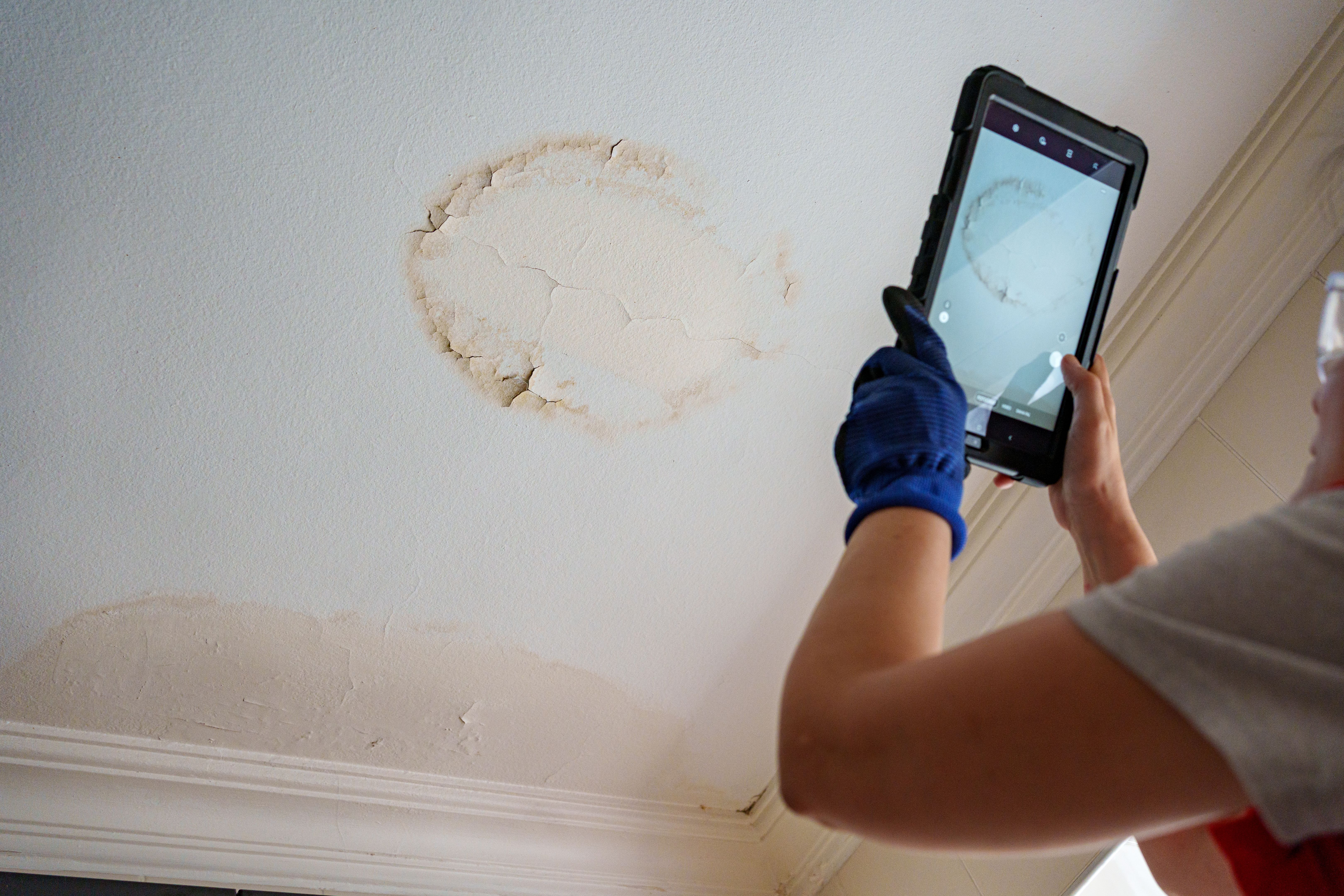
Water stains on your ceiling or walls are clear indicators of a leaky roof. If you notice any signs of moisture inside your home, it's crucial to have your roof inspected immediately. Ignoring leaks can lead to mold growth and structural damage.
Energy Efficiency Concerns
An old or damaged roof can affect your home's energy efficiency. If you've noticed a spike in your energy bills, your roof might not be providing adequate insulation. A new roof can improve your home's energy performance, keeping it cooler in the summer and warmer in the winter.
Structural Sagging
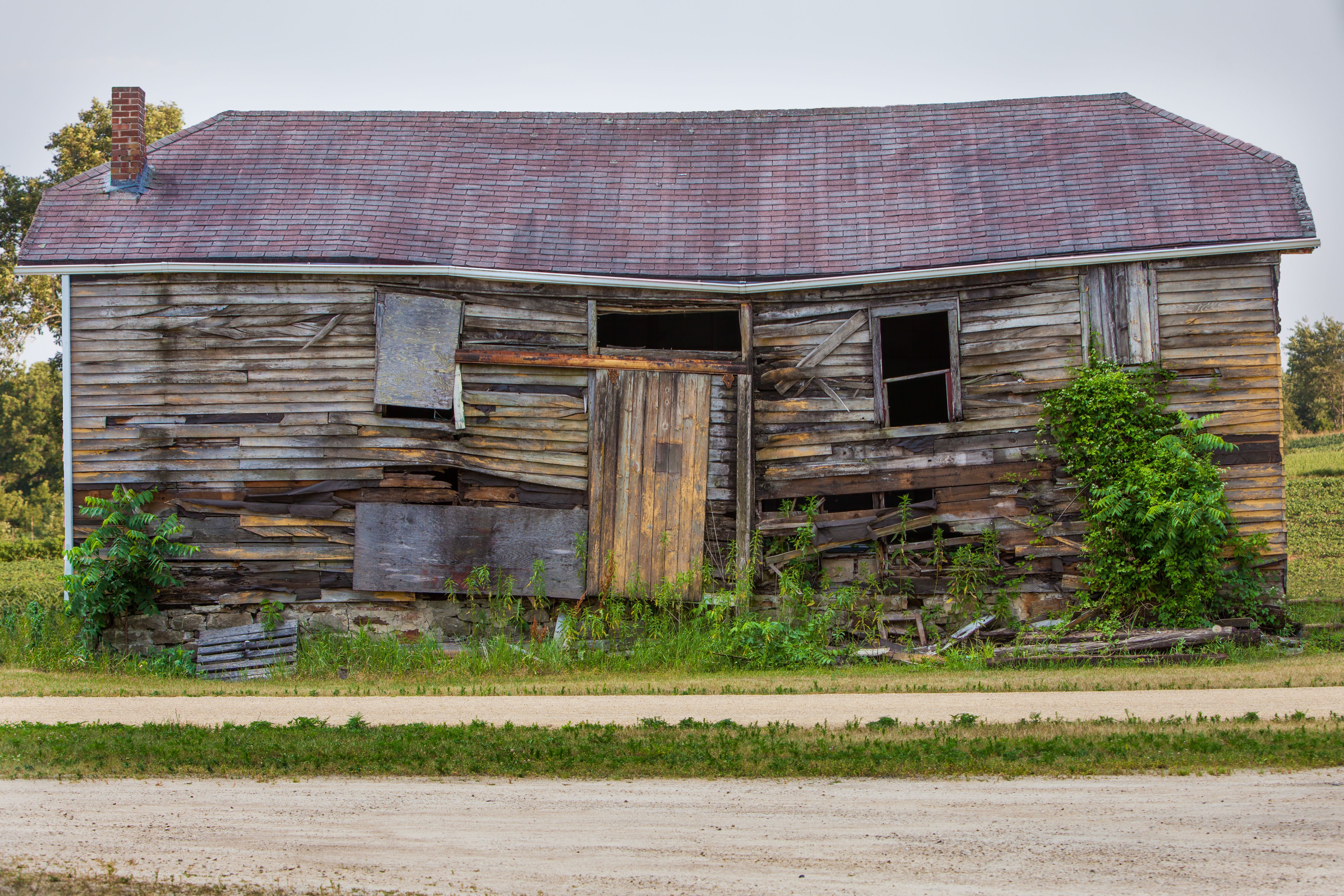
A sagging roof is a serious issue that requires immediate attention. It often indicates structural problems that could lead to a collapse. If you notice any sagging areas, contact a professional roofer to assess the damage and determine the best course of action.
Frequent Repairs
If you find yourself frequently repairing your roof, it may be more cost-effective to invest in a replacement. Continual patchwork can add up quickly, and a new roof will provide peace of mind and long-term savings.
In conclusion, recognizing the signs that it's time to replace your roof can save you from unexpected expenses and potential damage to your home. Regular inspections and maintenance are key to extending the life of your roof and ensuring your home remains safe and sound.