The Benefits of Temporary Roof Installation for Commercial Projects


In the world of commercial construction, ensuring the safety and efficiency of a project is paramount. One way to achieve this is through the use of temporary roof installations. These structures provide a host of benefits that can significantly impact the success of a project.
Enhanced Protection from Weather
One of the primary advantages of temporary roofs is their ability to shield ongoing construction work from adverse weather conditions. By providing a barrier against rain, wind, and snow, these roofs help maintain a consistent work schedule, minimizing delays and potential damage to materials.

Preservation of Materials
Construction materials can be costly, and exposure to the elements can lead to deterioration or loss. Temporary roofs ensure that materials remain dry and protected, reducing waste and saving money. This protection is particularly crucial for sensitive materials that are susceptible to moisture damage.
Improved Safety for Workers
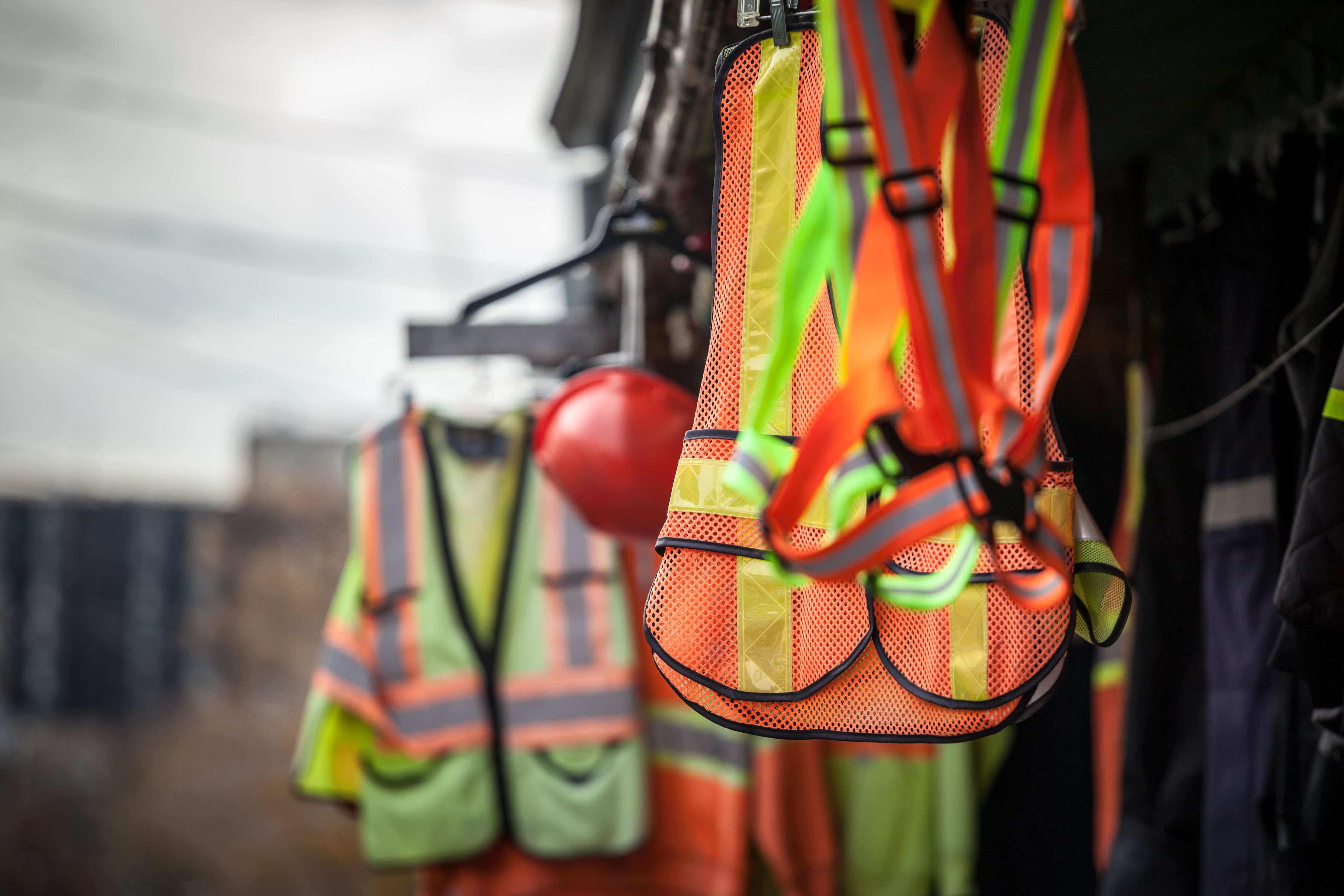
Safety is a top priority on any construction site. Temporary roofs contribute to a safer working environment by preventing slips and falls caused by wet surfaces. Additionally, they provide a controlled environment that reduces the risk of accidents related to changing weather conditions.
Controlled Work Environment
With a temporary roof, construction teams can work in a more predictable environment. This control allows for better planning and execution of tasks, leading to increased productivity. By mitigating the impact of weather, projects can progress smoothly, adhering to timelines and budgets.
Cost-Effectiveness
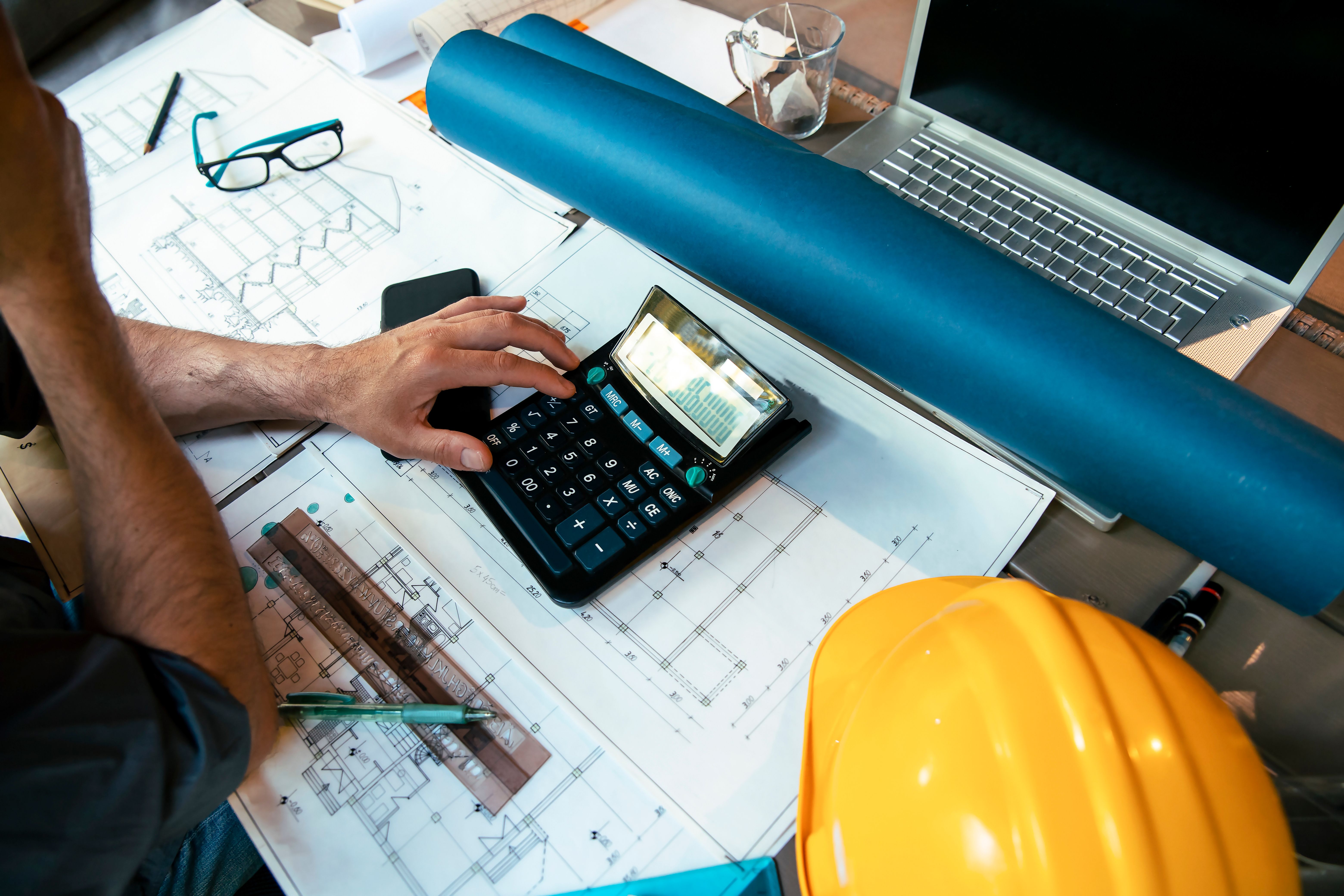
While the initial investment in a temporary roof might seem substantial, the long-term savings are significant. By avoiding weather-related delays and material losses, projects often come in under budget. This cost-effectiveness is a key consideration for large-scale commercial projects.
Flexibility and Adaptability
Temporary roofs are designed to be flexible and adaptable to different project needs. Whether the project is a new build or a renovation, these roofs can be customized to fit various structures and sizes. Their versatility makes them an ideal choice for diverse commercial projects.
Conclusion
Incorporating a temporary roof into a commercial construction project offers numerous benefits. From protecting materials and enhancing safety to maintaining project timelines and budgets, these installations are a valuable asset. As construction demands continue to evolve, temporary roofs will remain a crucial component in delivering successful projects.