The Benefits of Smart Home Roofing Systems for Energy Efficiency


Introduction to Smart Home Roofing Systems
In recent years, smart home technology has expanded beyond the confines of interior spaces, reaching rooftops with innovations designed to enhance energy efficiency. Smart home roofing systems are gaining popularity as homeowners seek ways to reduce energy consumption and minimize their carbon footprint.
Energy Efficiency Through Advanced Materials
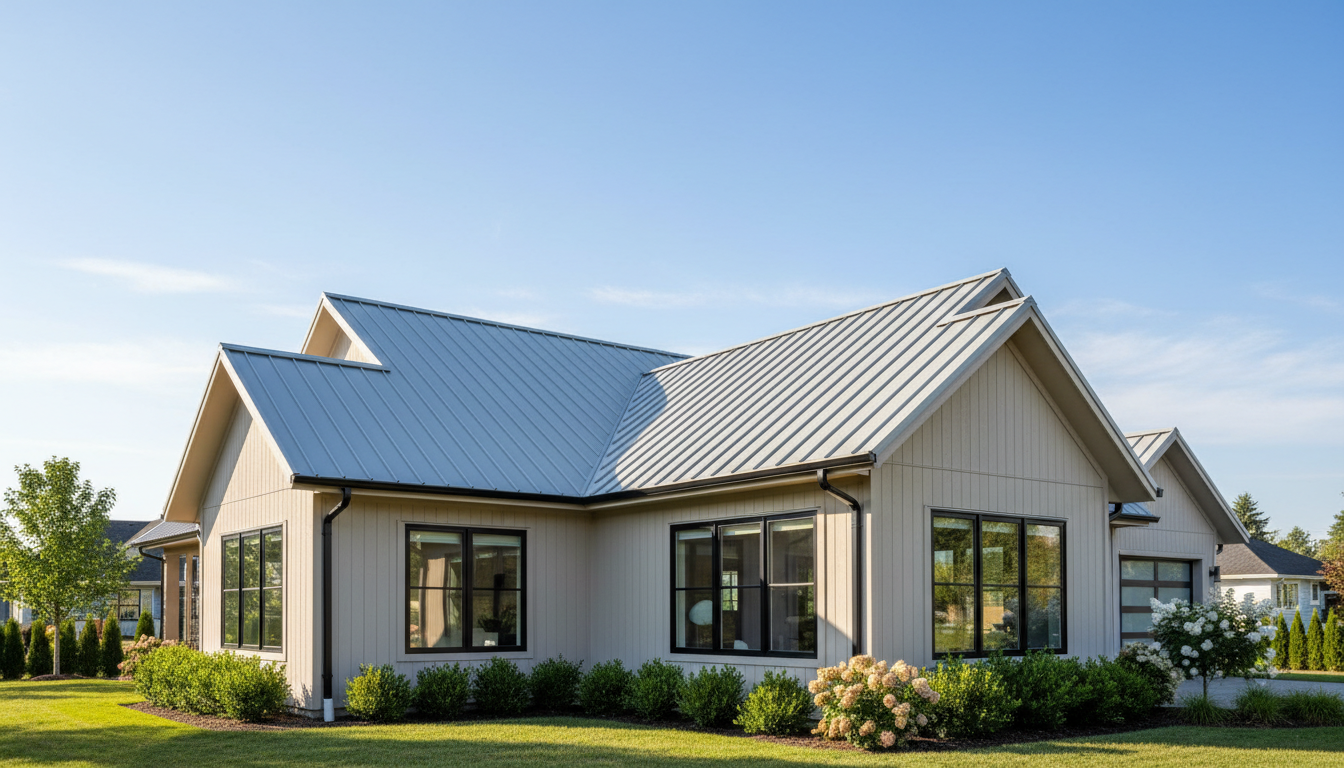
One of the primary benefits of smart roofing systems is the use of advanced materials that reflect more sunlight and absorb less heat. These cool roofing materials can significantly reduce cooling costs, especially in warmer climates. By maintaining a lower roof temperature, they help keep indoor spaces cooler, reducing the reliance on air conditioning systems.
Reflective Coatings
Reflective coatings are a key component of energy-efficient roofing. These coatings can be applied to existing roofs or incorporated into new installations, providing a simple yet effective way to improve energy performance. Homeowners can choose from a variety of coatings, each designed to suit different climates and aesthetic preferences.
Integration with Solar Technology
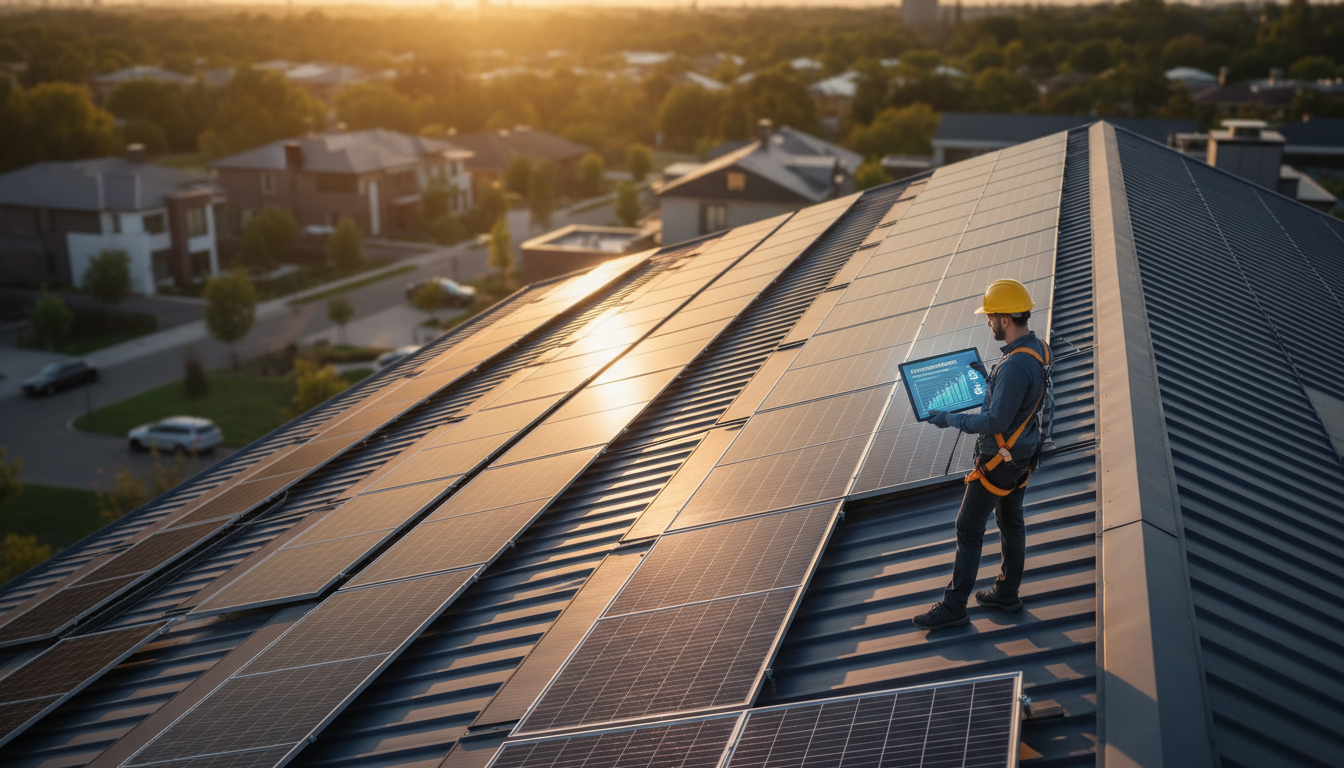
Another advantage of smart home roofing systems is their seamless integration with solar technology. Modern roofs can be equipped with solar panels or solar shingles, allowing homeowners to generate their own electricity. This not only reduces energy bills but also contributes to a more sustainable lifestyle.
Solar Shingles
Solar shingles are an innovative solution for those who wish to maintain the traditional look of a roof while harnessing solar energy. These shingles blend seamlessly with conventional roofing materials, providing an aesthetically pleasing option for eco-conscious homeowners.
Smart Sensors and Monitoring
Smart roofing systems often include sensors and monitoring technology to optimize energy efficiency. These systems can detect leaks, monitor weather conditions, and adjust ventilation to maintain optimal indoor temperatures. By providing real-time data, they empower homeowners to make informed decisions about energy use.
Weather Adaptation
Advanced sensors can help roofs adapt to changing weather conditions. For instance, during heavy rain, smart roofs can optimize drainage systems to prevent water accumulation. In colder months, they can adjust insulation levels to retain heat more effectively.
Long-Term Cost Savings
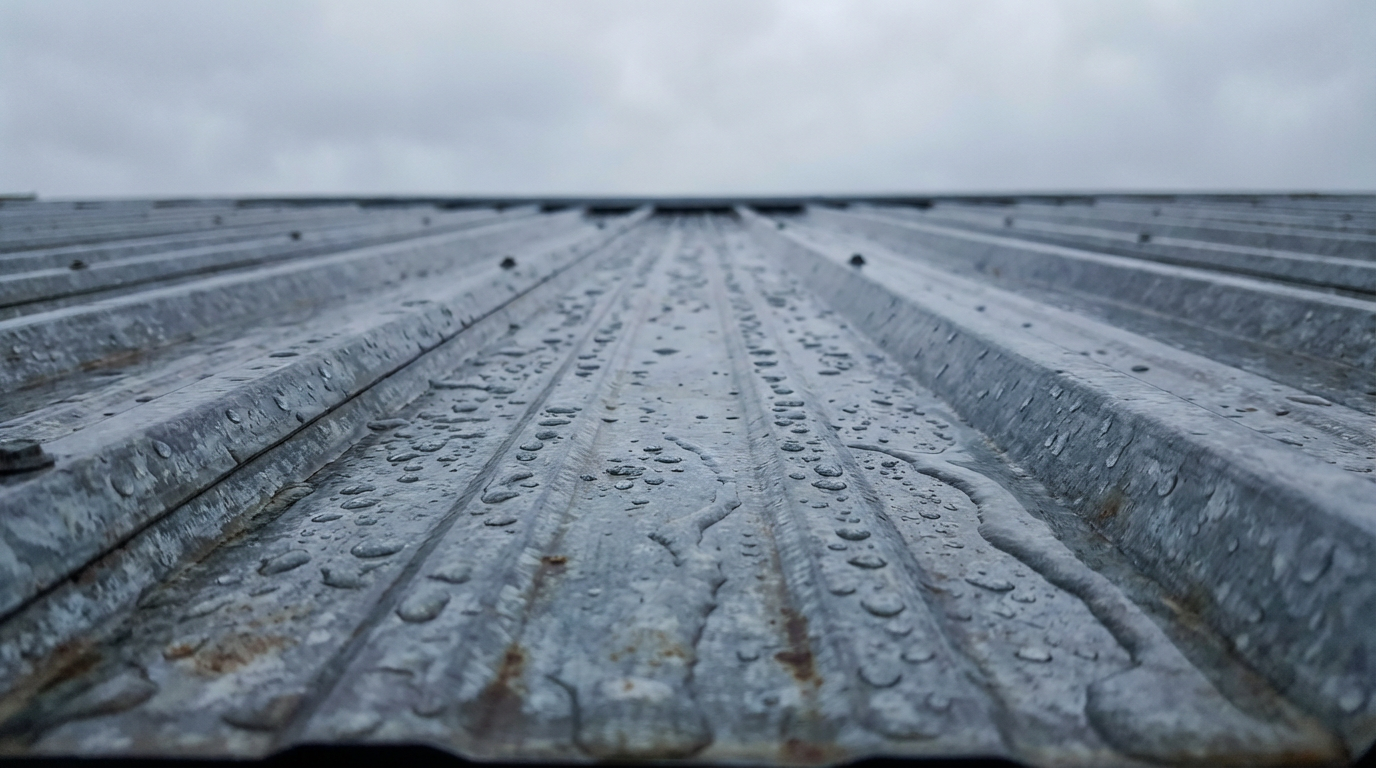
Investing in a smart home roofing system can lead to substantial long-term savings. While the initial installation cost may be higher than traditional options, the reduction in energy bills and potential tax incentives can offset these costs over time. Additionally, the durability of advanced roofing materials often means fewer repairs and replacements.
Value Addition
Beyond cost savings, smart roofing systems can increase the overall value of a home. As energy efficiency becomes a priority for many buyers, homes equipped with these systems are often more attractive on the real estate market.
Conclusion
Smart home roofing systems offer a multitude of benefits for energy efficiency, from advanced materials and solar integration to smart sensors and long-term savings. As technology continues to evolve, these systems will likely become an essential component of sustainable home design, helping homeowners reduce their environmental impact while enjoying greater comfort and cost savings.