Smart Home Roofing Systems vs. Traditional Roofs: A Comparative Guide


Introduction to Roofing Options
Choosing the right roofing system is crucial for homeowners looking to balance aesthetics, durability, and energy efficiency. With advancements in technology, smart home roofing systems are becoming a popular alternative to traditional roofs. This guide will explore the differences between these options, helping you make an informed decision for your home.
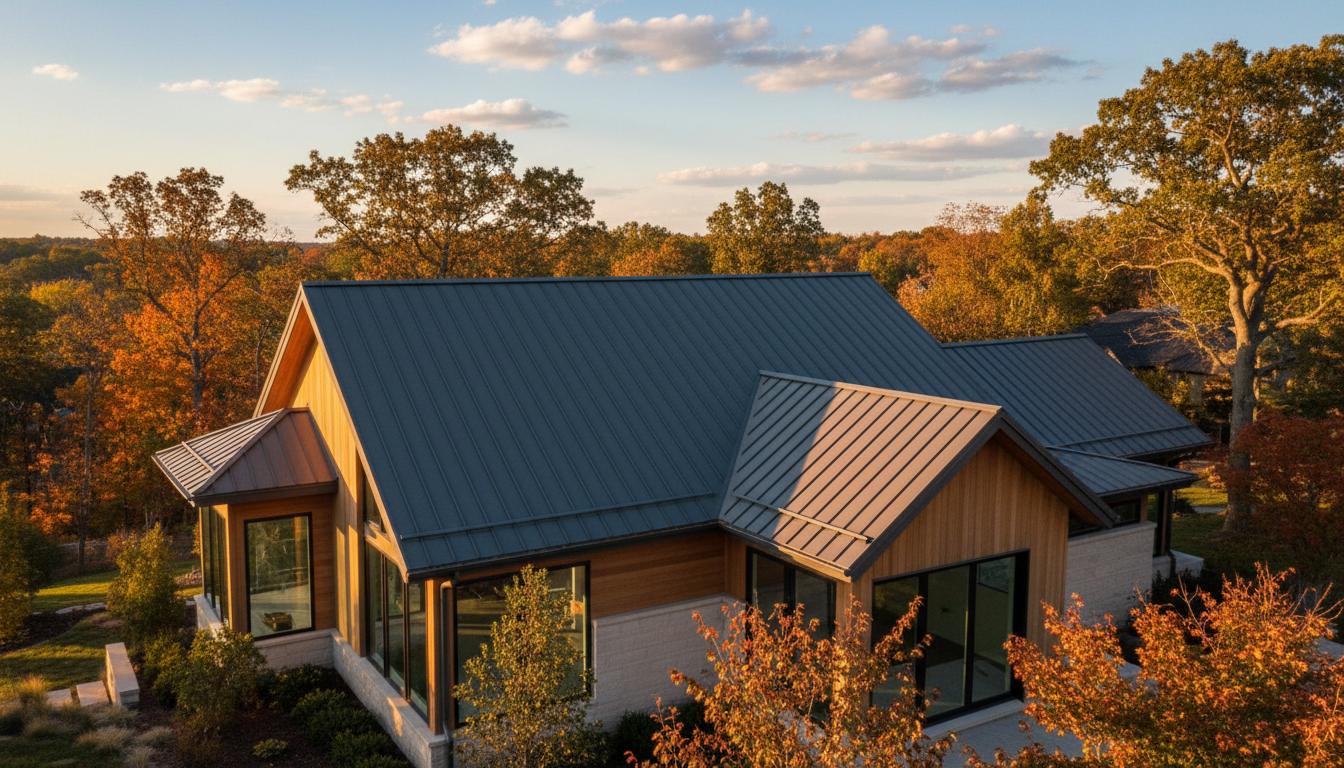
What is a Smart Home Roofing System?
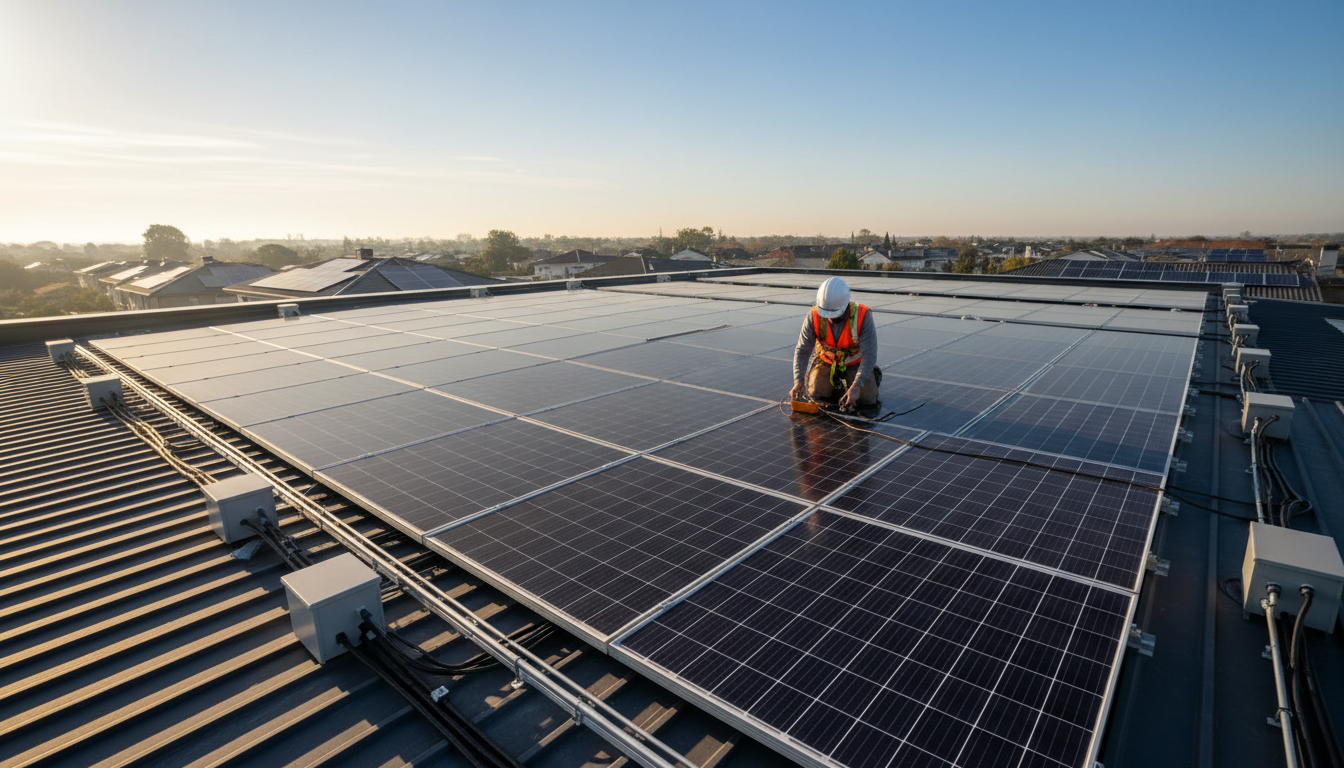
Smart home roofing systems integrate advanced technology to enhance the functionality and performance of traditional roofs. They often include features like solar panels, energy-efficient materials, and sensors that monitor weather conditions and roof integrity. This innovative approach aims to provide homeowners with more control over their energy consumption and maintenance needs.
Advantages of Smart Home Roofing Systems
One of the primary benefits of smart roofing is energy efficiency. By utilizing solar panels, these systems can significantly reduce electricity bills. Additionally, smart roofs are designed to be more durable and weather-resistant, often using materials that can withstand extreme weather conditions.
Cost Considerations
While smart home roofing systems offer numerous benefits, they come with a higher upfront cost compared to traditional roofs. However, the long-term savings on energy bills and reduced maintenance expenses can offset this initial investment. Many homeowners find the long-term savings and environmental benefits worth the initial expense.
Traditional Roofs: A Time-Tested Choice
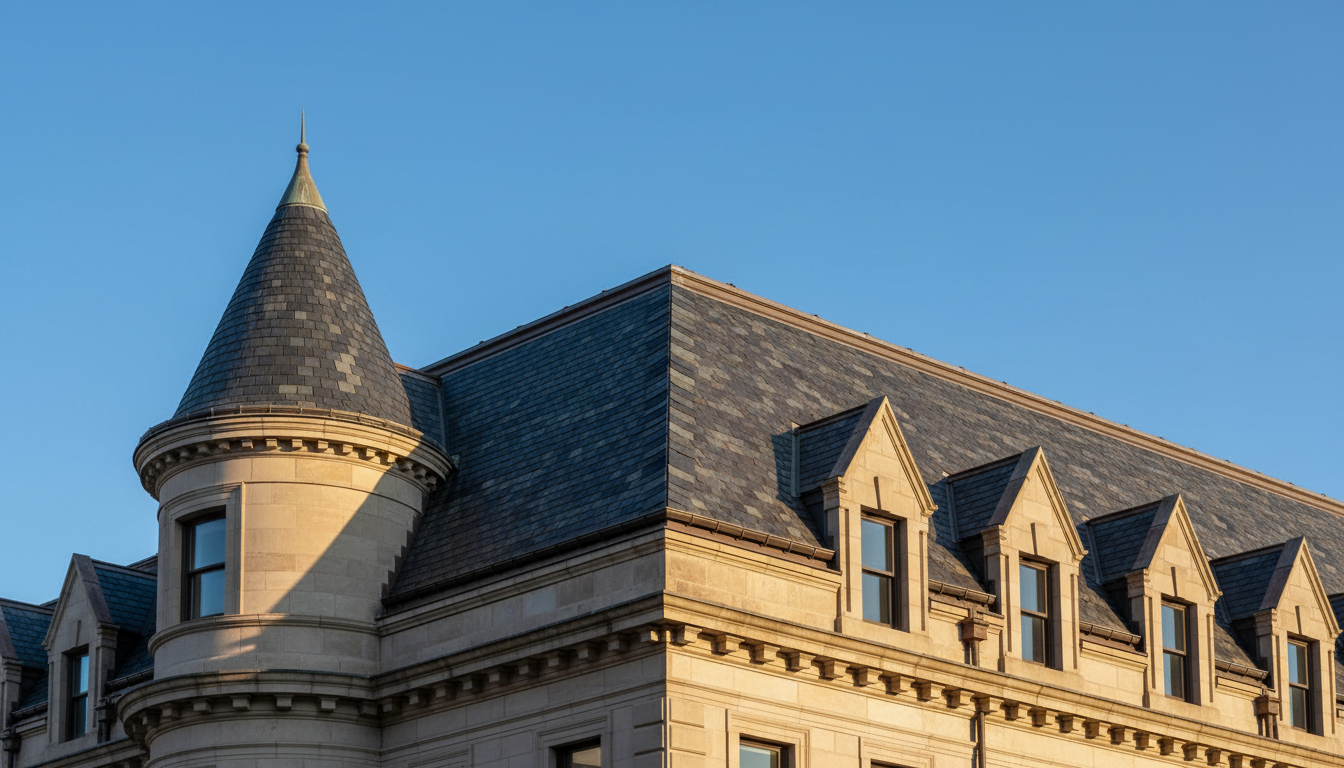
Traditional roofs have been the go-to choice for homeowners for decades, offering a variety of materials such as asphalt shingles, wood, and metal. These roofs are known for their affordability and ease of installation. Despite lacking the advanced features of smart systems, traditional roofs remain a reliable and economical option.
Durability and Maintenance
The durability of a traditional roof largely depends on the materials used. For example, metal roofs are known for their longevity, while asphalt shingles may require more frequent maintenance. Homeowners should consider their local climate and potential weather challenges when selecting materials.
- Asphalt Shingles: Affordable but may need more frequent replacement.
- Metal Roofs: Durable and long-lasting but more expensive initially.
- Wood Shingles: Aesthetic appeal but require significant maintenance.
Making the Right Choice for Your Home
When deciding between smart home roofing systems and traditional roofs, consider factors such as budget, long-term savings, environmental impact, and personal preferences. A smart roof might be ideal for those looking to invest in energy efficiency and technology, while traditional roofs offer a cost-effective solution with proven reliability.
Ultimately, the best choice will align with your home's specific needs and your long-term goals. Consulting with a roofing professional can provide valuable insights and help you make the most informed decision.