Smart Home Roofing Systems: The Future of Sustainable Living


Introduction to Smart Home Roofing Systems
The idea of a smart home has evolved significantly over the years, now encompassing various technologies that enhance sustainability and efficiency. One of the most exciting developments in this area is the advent of smart home roofing systems. These systems integrate advanced technology with traditional roofing materials to create a more sustainable living environment.
Smart roofing systems are designed to optimize energy use, reduce environmental impact, and provide homeowners with unprecedented control over their home's energy efficiency. As we explore this innovative technology, it's clear that smart roofs are becoming an essential component of the future of sustainable living.
Components of a Smart Roofing System
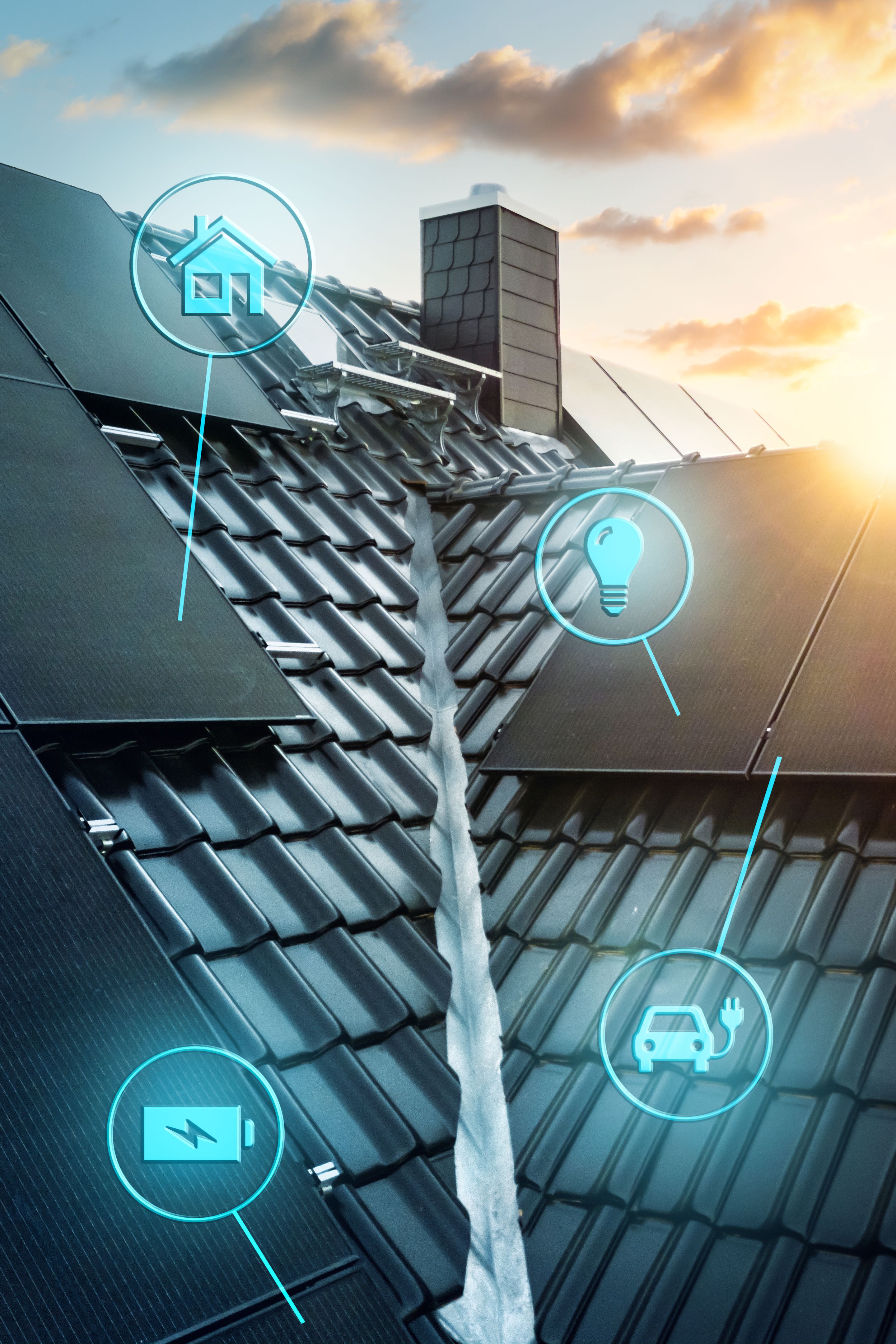
A smart roofing system typically includes several key components that work together to maximize efficiency. These components can include solar panels, energy-efficient insulation, and smart sensors. Each of these elements plays a crucial role in reducing energy consumption and enhancing the home's overall sustainability.
Solar panels are perhaps the most well-known feature of smart roofs. They harness the power of the sun to generate electricity, significantly reducing reliance on fossil fuels. Meanwhile, energy-efficient insulation helps maintain a consistent indoor temperature, reducing the need for heating and cooling systems.
The Role of Smart Sensors
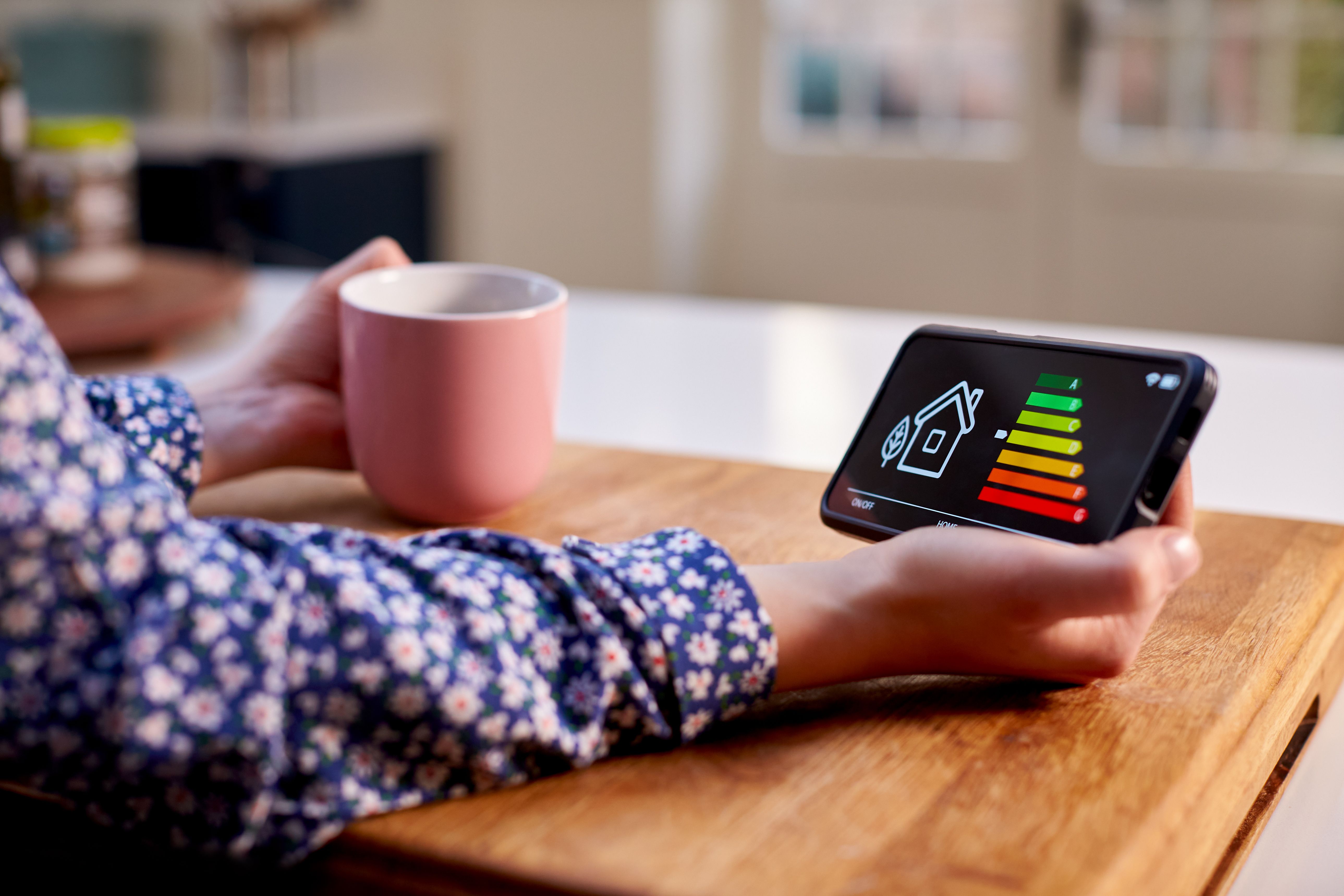
Smart sensors are another critical component of these systems. They monitor various factors such as temperature, humidity, and energy usage. By collecting and analyzing this data, smart sensors provide homeowners with insights into their energy consumption patterns, allowing for more informed decisions regarding energy use.
Benefits of Smart Roofing Systems
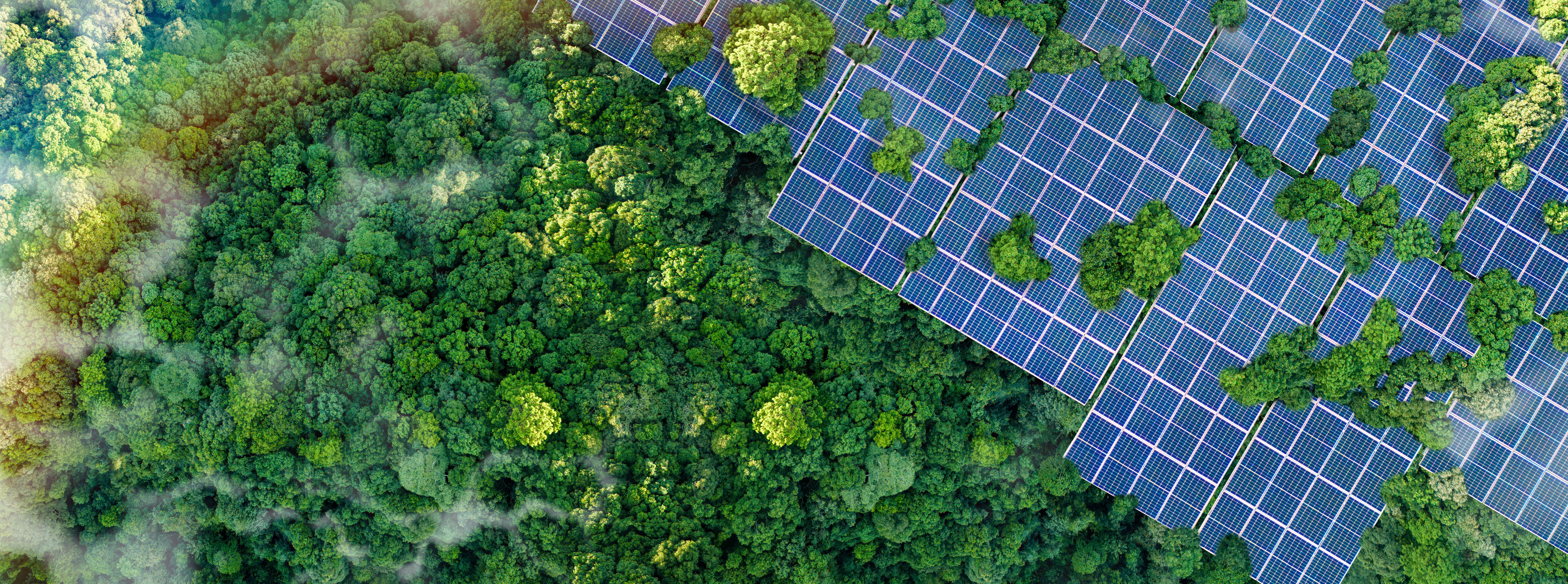
Smart roofing systems offer numerous benefits, both for homeowners and the environment. One of the primary advantages is the potential for significant energy savings. By utilizing solar energy and optimizing insulation, these systems can drastically reduce a household's energy bills.
Additionally, smart roofs contribute to a reduction in greenhouse gas emissions. By decreasing the reliance on non-renewable energy sources, these systems help reduce the carbon footprint of a home. This not only benefits the environment but also aligns with the growing trend of green living.
Enhanced Home Value and Aesthetics
Beyond energy and environmental benefits, smart roofing systems can also enhance the value and aesthetics of a home. Many modern smart roofs are designed to be visually appealing, seamlessly integrating with the home's architecture. This can boost curb appeal and potentially increase property value.
The Future of Sustainable Living
As technology continues to advance, smart home roofing systems are likely to become even more sophisticated and accessible. Continued innovation in this field promises to bring new features and greater efficiency, making sustainable living a reality for more homeowners around the world.
In conclusion, smart roofing systems represent a significant step forward in the pursuit of sustainability. By combining technology with traditional roofing practices, these systems offer a practical solution for reducing energy consumption and environmental impact. As more homeowners adopt this technology, the dream of a sustainable future becomes increasingly attainable.