Myth-Busting: Common Misconceptions About Scaffolding Safety


Understanding Scaffolding Safety
Scaffolding is an essential component in construction, providing workers with safe access to elevated areas. However, despite its crucial role, there are several misconceptions about scaffolding safety that can lead to accidents and injuries. In this post, we aim to debunk some of the most common myths surrounding scaffolding safety to ensure a safer working environment.
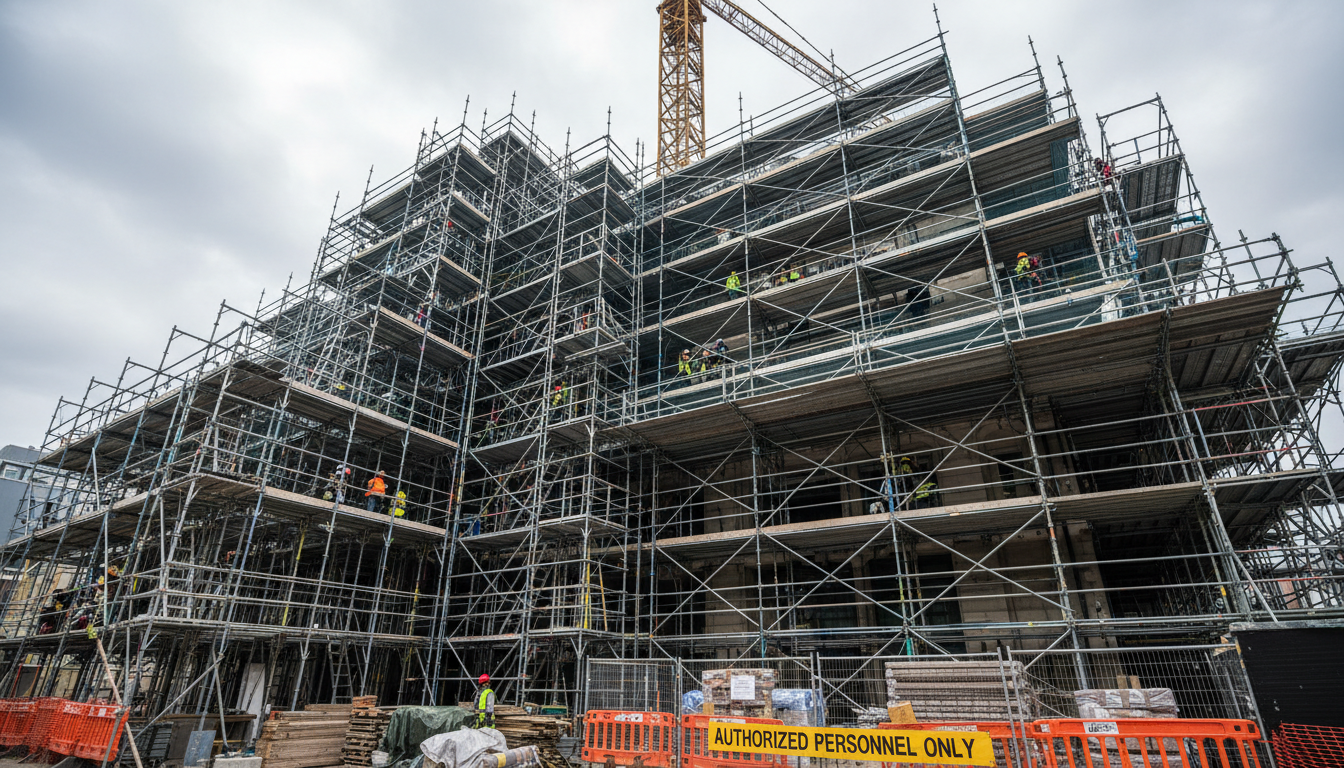
Myth 1: Scaffolding Is Always Stable
One of the most prevalent misconceptions is that scaffolding is inherently stable. While scaffolding is designed to provide a stable platform, its stability depends on proper assembly and maintenance. Without regular inspections and adherence to safety protocols, scaffolding can become a serious hazard.
It's crucial to ensure that the foundation is solid and that all components are securely connected. Workers should be trained to identify signs of instability and report them immediately.
Myth 2: Fall Protection Is Unnecessary
Another dangerous myth is that fall protection is not needed when working on scaffolding. In reality, falls are one of the leading causes of injuries in construction. Employers must provide adequate fall protection, including guardrails and personal fall arrest systems, to safeguard workers at height.
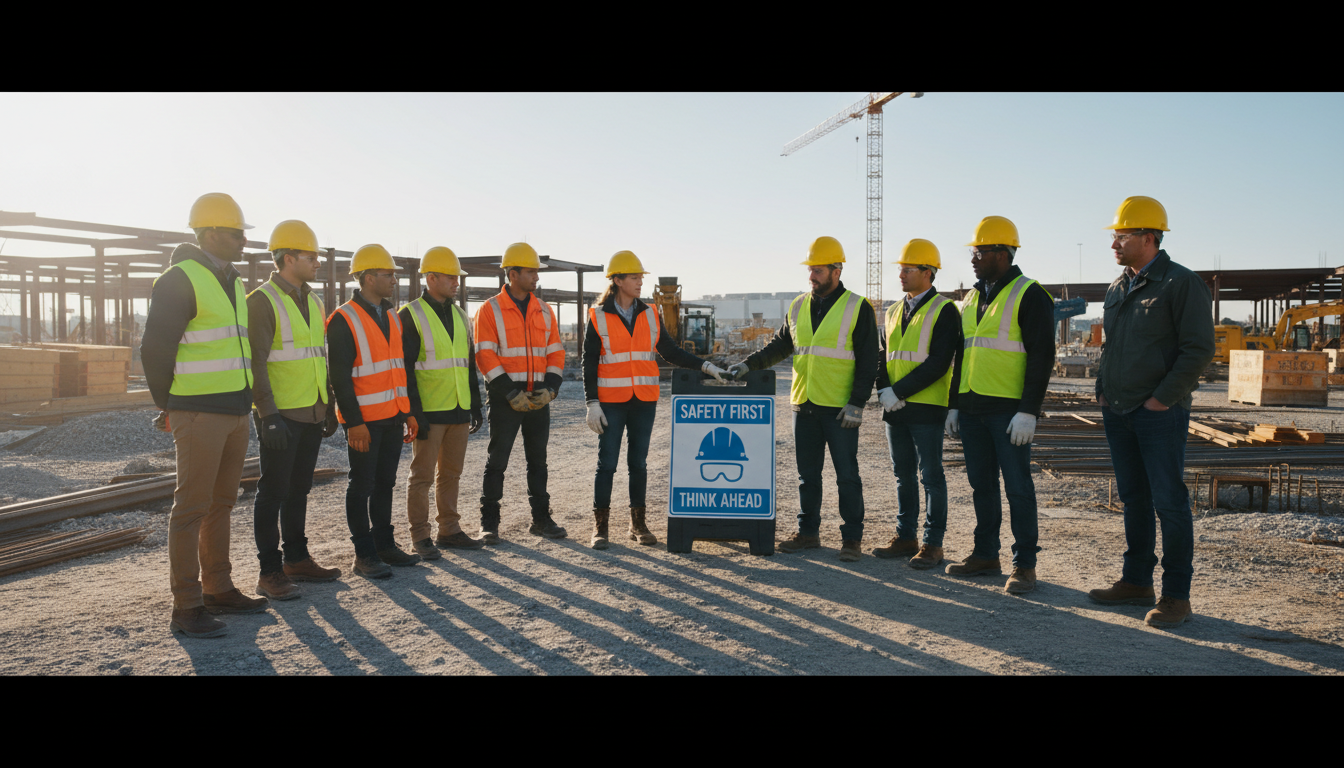
Myth 3: Only Large Projects Require Scaffolding Safety Measures
Some believe that safety measures are only necessary for large-scale projects. This is a misconception. Regardless of the project size, scaffolding safety protocols are mandatory. Every project must prioritize worker safety by implementing appropriate measures, training, and inspections.
Smaller projects can pose significant risks if safety is overlooked. Ensuring that all workers are trained and equipped with the right safety gear is essential for every job.
Myth 4: All Scaffolding Is the Same
Not all scaffolding is created equal. Different types are designed for various tasks and environments. It's a mistake to assume that any scaffolding can be used universally. Choosing the right type of scaffolding for the specific job is crucial to maintaining safety standards.
Myth 5: Experienced Workers Don’t Need Safety Training
The idea that experienced workers can skip safety training is both common and dangerous. Regardless of experience level, regular training is essential to keep up with the latest safety standards and practices. Continuous education helps prevent complacency and reinforces the importance of safety measures.
Employers should ensure all workers participate in ongoing training sessions to stay informed about new regulations and techniques.
Conclusion
By dispelling these myths and understanding the realities of scaffolding safety, construction sites can become safer for everyone involved. Prioritizing safety measures and education helps prevent accidents and creates a more secure working environment. Remember, safety is everyone's responsibility, and staying informed is the first step towards preventing workplace injuries.