How to Prepare Your Building for Seasonal Weather with Reliable Scaffolding


Understanding the Importance of Seasonal Preparation
Preparing your building for seasonal weather changes is crucial to maintaining its structural integrity and ensuring the safety of occupants. With the help of reliable scaffolding, you can efficiently address maintenance and repair tasks that are best handled during certain times of the year. This guide will walk you through the steps necessary to prepare your building with the best scaffolding practices.

Assessing Your Building’s Needs
Before setting up scaffolding, it's important to conduct a thorough assessment of your building's exterior. Identify areas that require repairs, such as damaged roofing, cracked walls, or blocked gutters. This analysis will help you determine the type and extent of scaffolding required. Engage a professional if needed to ensure no aspect is overlooked.
Choosing the Right Scaffolding
Selecting the appropriate scaffolding is key to the success of your maintenance project. Consider factors such as the height of the building, the duration of the work, and weather conditions. Modular scaffolding offers flexibility, while tube and clip scaffolding provides robust support for more extensive repairs. Always opt for scaffolding that meets safety standards and is suitable for the specific tasks at hand.
Safety Measures and Compliance
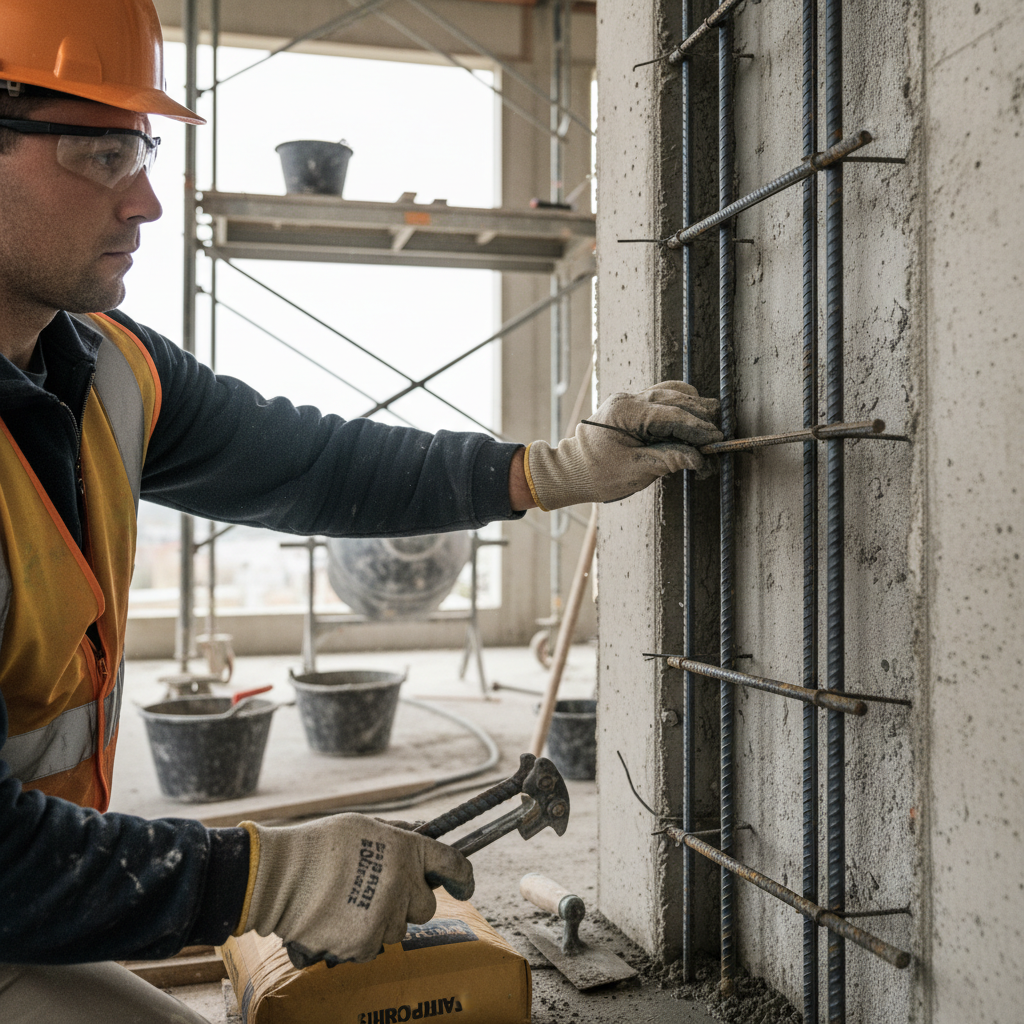
Ensuring safety is paramount when working with scaffolding. Make sure that all scaffolding is erected by certified professionals and inspected regularly. Equip workers with the necessary safety gear, such as helmets and harnesses. Compliance with local safety regulations not only protects workers but also enhances the efficiency of the project.
Weather Considerations
Weather conditions can significantly impact scaffolding projects. Plan your maintenance work during periods of mild weather to minimize risks such as strong winds or heavy rain. If unexpected weather changes occur, ensure that all scaffolding is secure and that work is paused until conditions improve. This precaution helps prevent accidents and damage to the scaffolding structure.
Regular Maintenance and Inspection
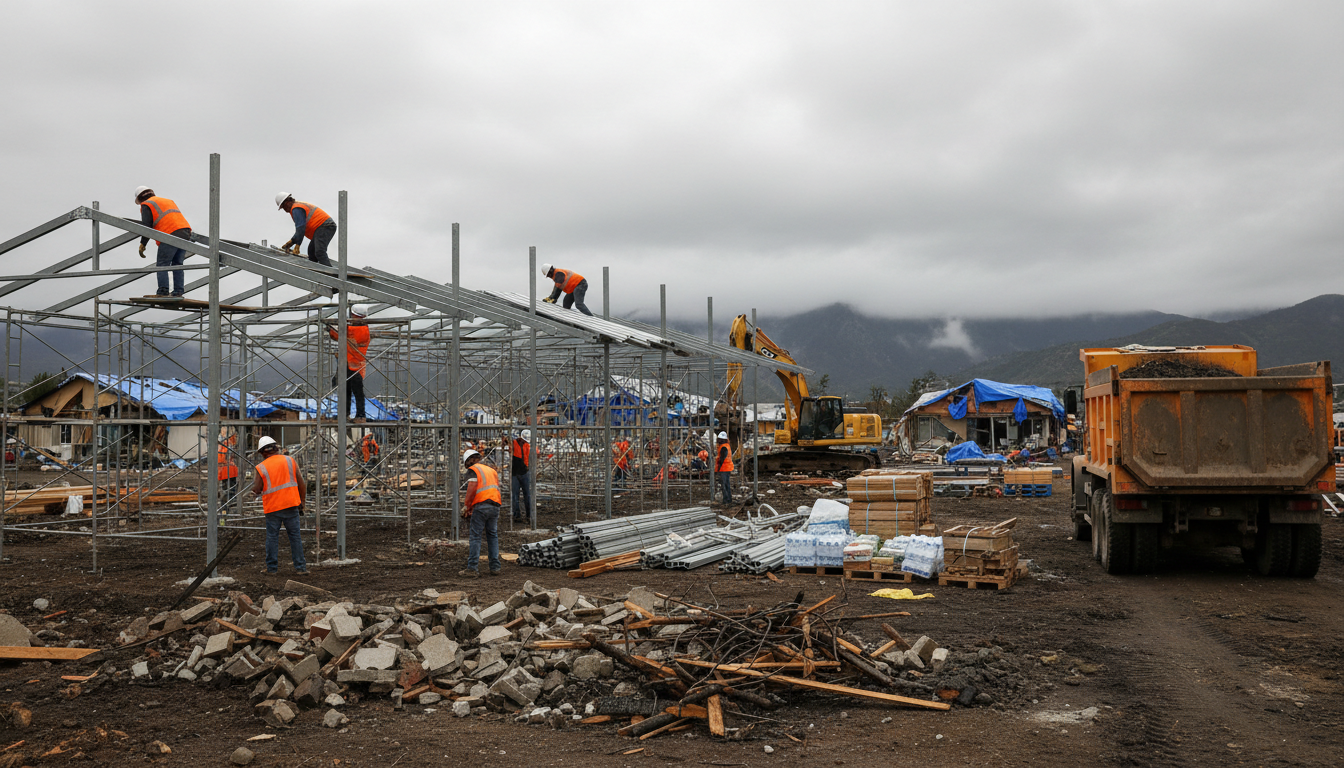
Once the scaffolding is in place, regular maintenance and inspection are crucial. Check for any signs of wear and tear, and address them promptly to avoid compromising the structure's stability. Regular inspections help in identifying potential issues early, ensuring the safety and efficiency of the work being conducted.
Optimizing Workflow with Scaffolding
Properly planned scaffolding not only ensures safety but also enhances workflow efficiency. By organizing work areas and scheduling tasks effectively, you can reduce downtime and complete projects within set timelines. This strategic approach maximizes the productivity of your team and ensures quality results.
In conclusion, preparing your building for seasonal weather with reliable scaffolding involves careful planning, the right choice of scaffolding, and stringent safety measures. By following these guidelines, you can protect your building and ensure a safe and efficient maintenance process.