How Scaffolding Improves Safety: A Comprehensive Guide


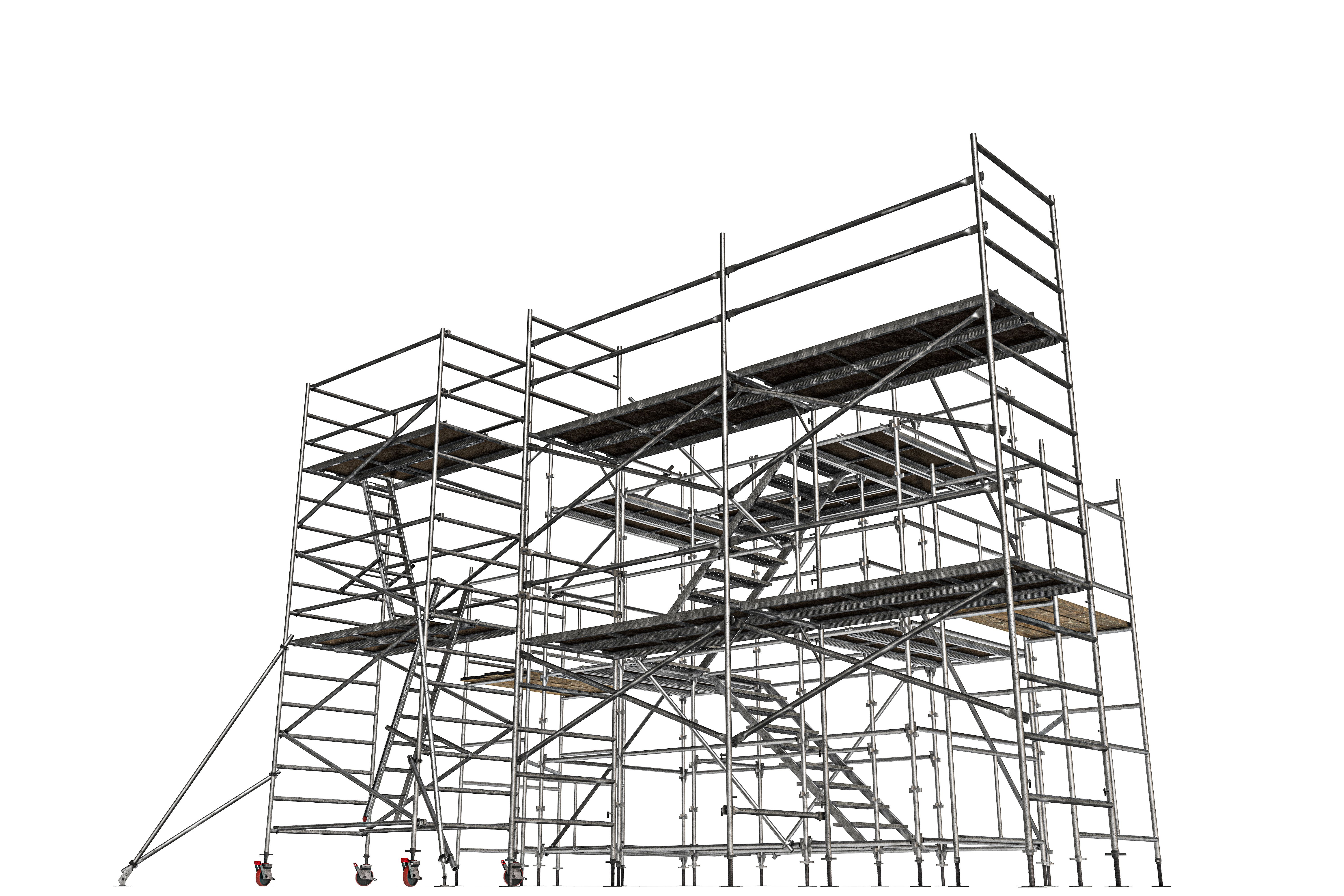
Scaffolding plays a crucial role in construction and maintenance projects by providing a stable and secure platform for workers. This temporary structure not only facilitates access to heights but also significantly enhances safety on site.
The Importance of Scaffolding in Construction
Scaffolding is essential in supporting workers and materials, offering a reliable framework for tasks performed at various elevations. By providing a stable environment, it minimizes the risk of accidents, which are prevalent in construction settings.
Moreover, scaffolding ensures that workers can complete tasks efficiently without compromising their safety. This is particularly important in projects involving tall structures or complex architectural designs.

Key Components of Scaffolding
Understanding the components of scaffolding helps in recognizing its safety benefits. Key elements include:
- Standards: Vertical poles supporting the structure.
- Ledgers: Horizontal braces that connect standards.
- Transoms: Cross-sections providing support to the platform.
- Planks: The working platform for laborers.
Each component plays a vital role in maintaining the integrity and safety of the scaffolding structure.
Safety Advantages of Scaffolding
Scaffolding offers numerous safety benefits. It provides a secure platform where workers can balance and move freely while carrying out tasks. This reduces the likelihood of falls, which are a leading cause of injuries in construction.
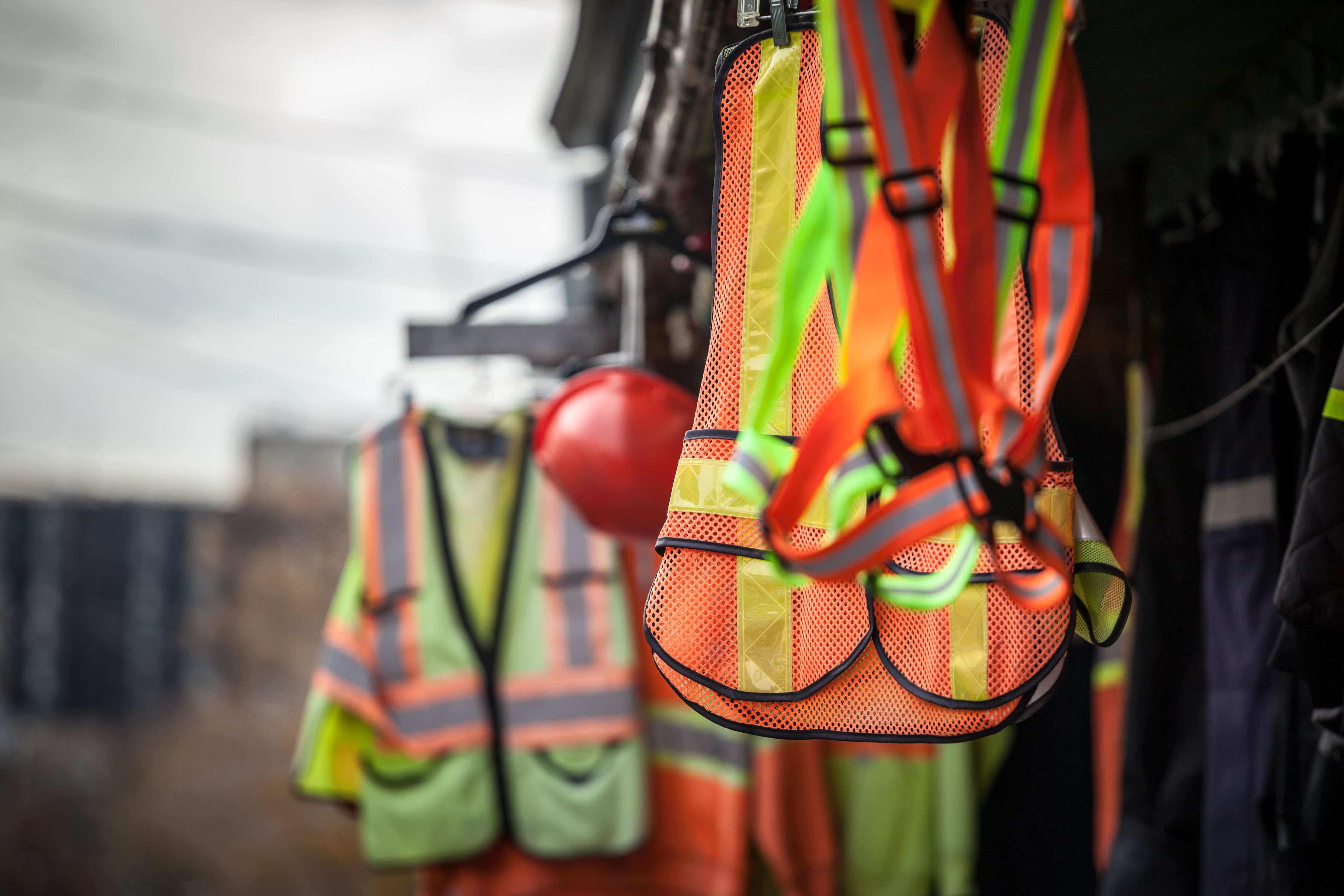
Additionally, scaffolding offers protection against falling debris. By incorporating guardrails and toe boards, it creates a barrier that prevents tools and materials from falling, safeguarding workers below.
Regular Inspection and Maintenance
To ensure ongoing safety, regular inspection and maintenance of scaffolding are imperative. Inspections should check for wear and tear, stability, and proper assembly. Any damage should be promptly repaired to prevent accidents.
Furthermore, scaffolding must be assembled and disassembled by trained professionals. Proper training ensures that workers understand how to safely erect and dismantle scaffolding, further reducing risks.
Conclusion
In conclusion, scaffolding is an indispensable component of safe construction practices. By providing a stable and secure work environment, it not only enhances productivity but also significantly reduces the risk of accidents. Through regular inspections and professional handling, scaffolding will continue to be a cornerstone of construction safety.