Expert Tips on Choosing the Right Scaffolding for Your Project


Understanding Your Project Needs
When embarking on a construction project, selecting the right scaffolding is crucial. The type of scaffolding you choose can significantly impact the safety, efficiency, and cost-effectiveness of your project. Understanding your specific needs is the first step. Consider the height, weight capacity, and the nature of the work being performed. Each of these factors will influence the type of scaffolding most suitable for your project.
Types of Scaffolding
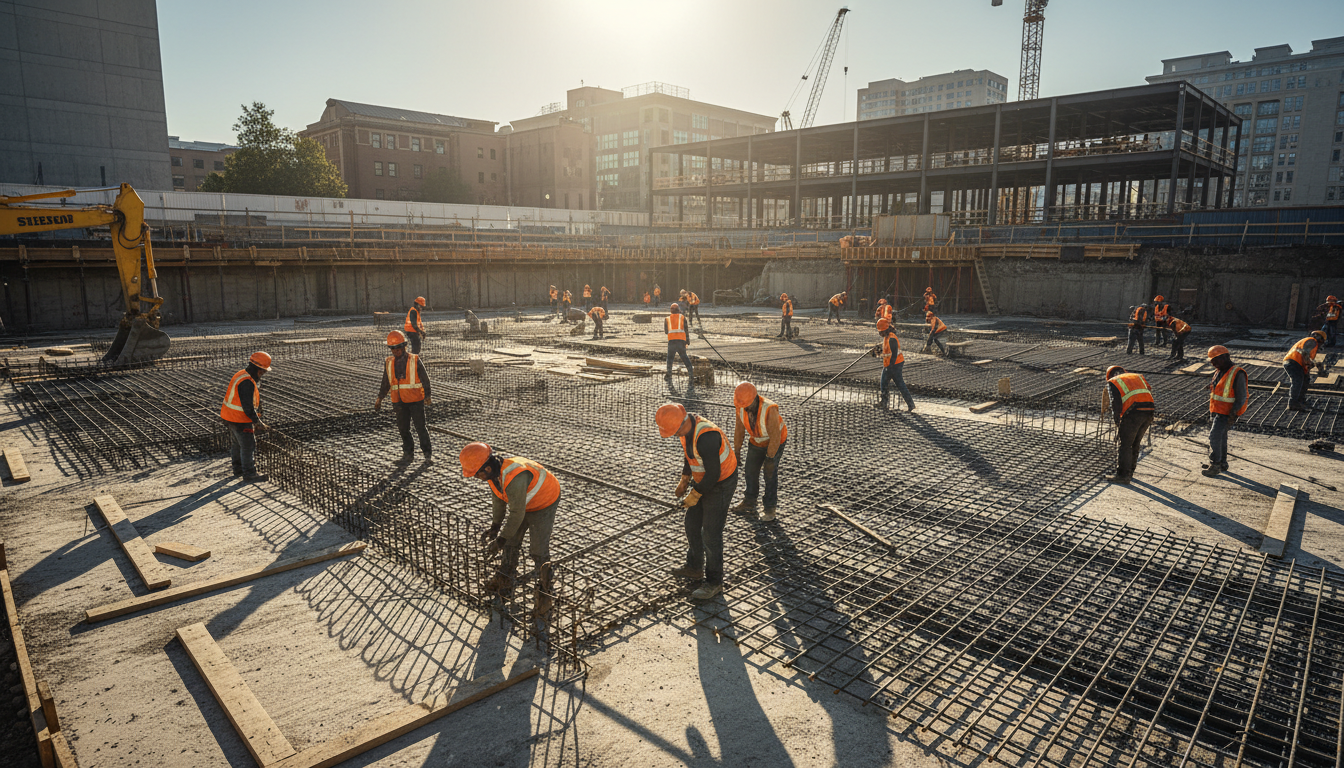
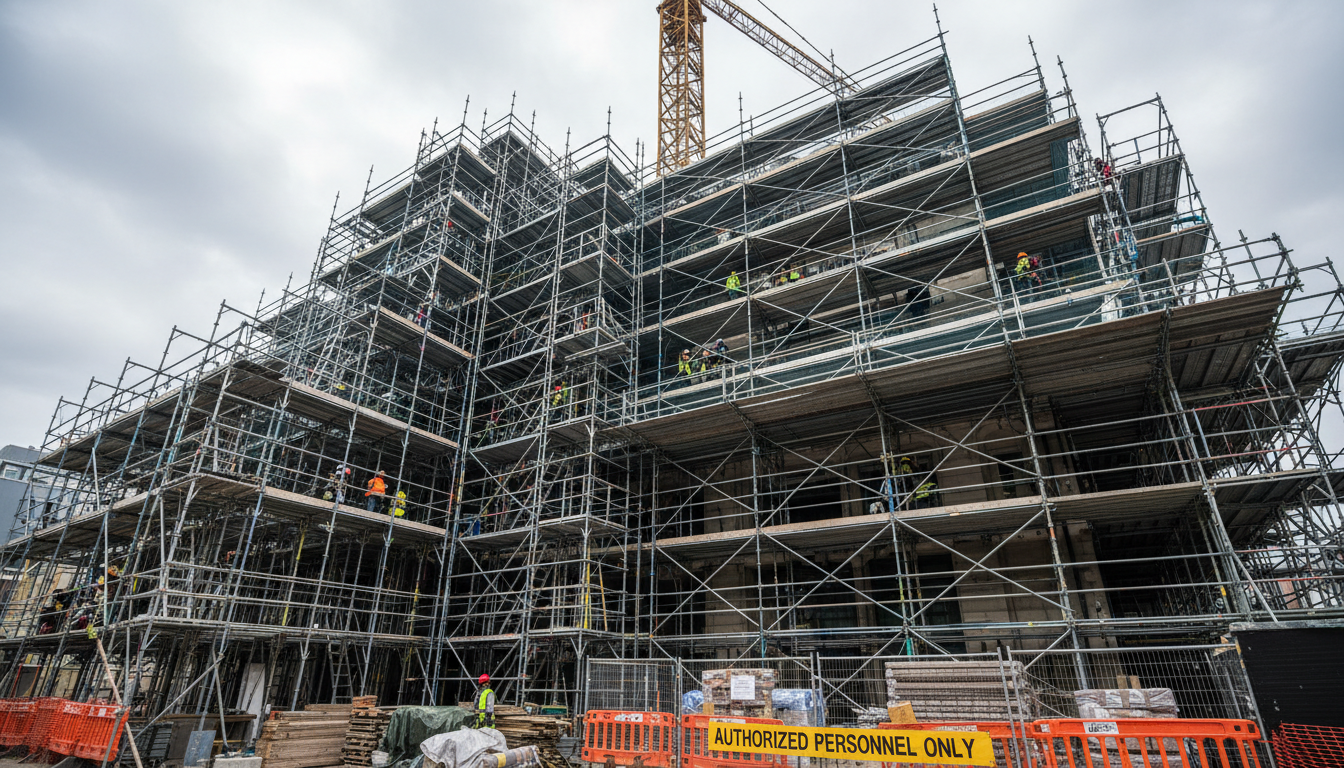
There are several types of scaffolding, each designed for different applications. Supported scaffolding is one of the most common types, ideal for projects that require a stable working platform. Suspended scaffolding is perfect for high-rise buildings, as it can be easily raised or lowered. Another option is rolling scaffolding, which is mounted on wheels for easy movement, making it ideal for tasks that require frequent repositioning.
Choosing the right type depends on the specific needs of your project. For instance, if you're working on a tall building, suspended scaffolding might be more appropriate. On the other hand, for smaller projects, supported scaffolding could be more cost-effective.
Safety Considerations
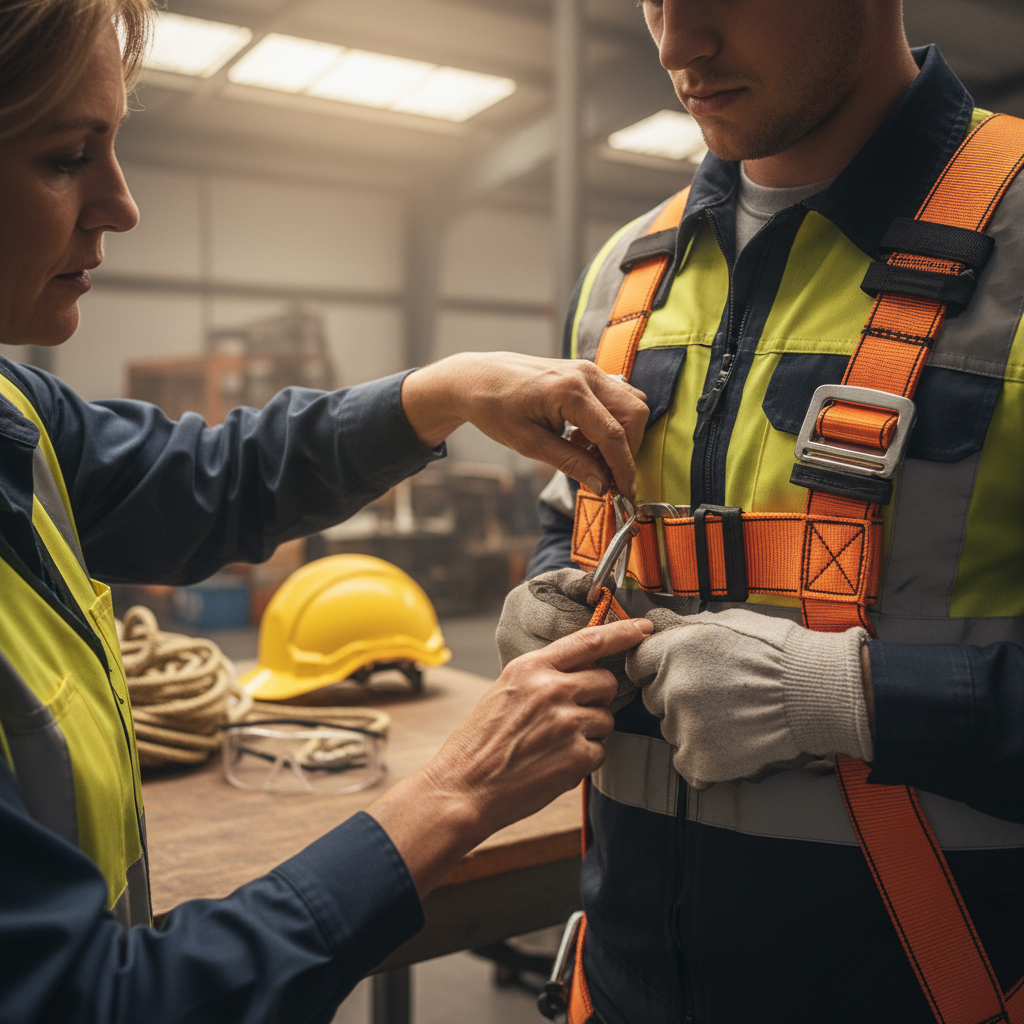
Safety should always be a top priority when selecting scaffolding. Ensure that the scaffolding meets all relevant safety standards and regulations. Regular inspections and maintenance are essential to prevent accidents. Additionally, providing adequate training for workers on proper usage and safety protocols can significantly reduce risks.
Scaffolding Materials
The material of the scaffolding is another important consideration. Common materials include steel, aluminum, and wood. Steel scaffolding is known for its strength and durability, making it suitable for heavy-duty tasks. Aluminum is lightweight and resistant to corrosion, making it easier to transport and assemble. Wood is often used for smaller projects or in areas where metal might not be ideal.
Consider the environment and specific requirements of your project when choosing materials. For example, aluminum might be preferable in coastal areas due to its corrosion resistance.
Cost and Budgeting
Budget is always a significant factor in any project. While it's essential to stick to your budget, it's equally important not to compromise on safety and quality. Compare prices from different suppliers and consider whether renting or purchasing scaffolding is more cost-effective for your project duration.
Expert Advice
Consulting with scaffolding experts can provide valuable insights and help you make informed decisions. Experts can offer advice on the most suitable types and materials for your specific project needs, ensuring safety and efficiency.

In conclusion, choosing the right scaffolding involves careful consideration of your project's requirements, safety standards, materials, and budget. By following these expert tips, you can ensure that your project runs smoothly and safely.