Expert Tips for Selecting the Right Scaffolding for Your Project


Understanding Your Project Requirements
Before selecting scaffolding, it's crucial to understand the specific requirements of your project. Consider the nature of the work, the height you need to reach, and the duration of the project. Each of these factors can influence the type of scaffolding that will best suit your needs. For example, a construction project may require more robust scaffolding than a simple painting job.
Additionally, assess the site conditions such as ground stability and weather patterns. These factors can affect the type of scaffolding and additional safety measures that might be necessary. By thoroughly understanding your project requirements, you can make an informed decision that ensures both efficiency and safety.
Types of Scaffolding
Supported Scaffolding
Supported scaffolding is a common choice for many construction projects. It consists of platforms supported by poles and frames, offering great stability and ease of use. This type is ideal for jobs that require workers to move up and down frequently, as it provides a secure working area.
Suspended Scaffolding
Suspended scaffolding is used when work needs to be done at height, but the ground below is inaccessible or unstable. It is hung from an overhead structure and can be raised or lowered as needed. This type is often used for building facades and window cleaning projects.
Safety Considerations
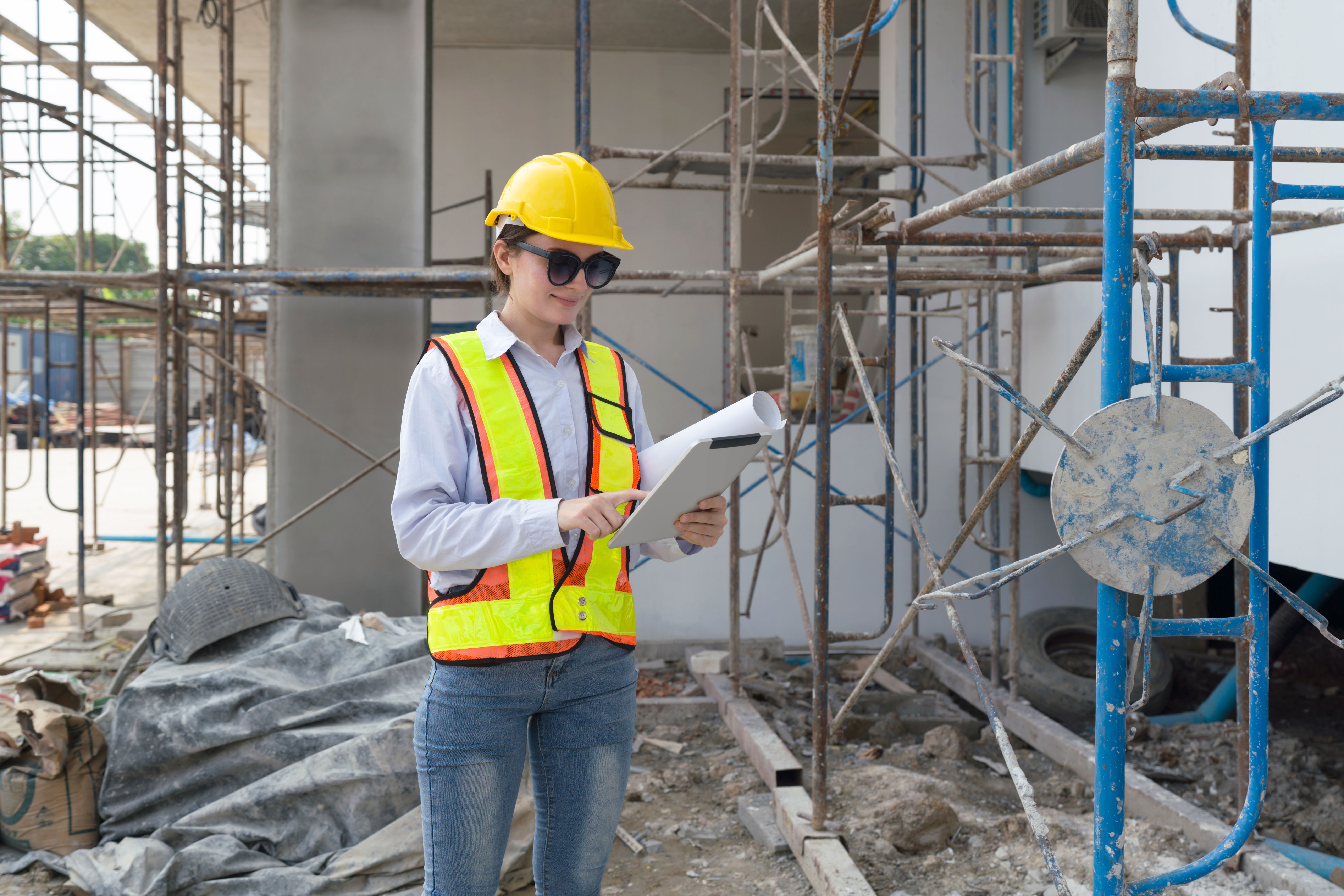
Safety should be your top priority when selecting scaffolding. Ensure that all scaffolding components meet industry standards and are regularly inspected for damage. Proper training for workers is essential to avoid accidents. Ensure that safety harnesses and guardrails are used when necessary to prevent falls.
It's also important to choose scaffolding that can withstand the environmental conditions of your worksite. Wind, rain, and extreme temperatures can all pose risks. By selecting the right scaffolding and implementing strict safety protocols, you can minimize the risk of accidents.
Cost and Budgeting
Cost is a significant factor in choosing scaffolding. While it might be tempting to go for the cheapest option, investing in quality scaffolding can save money in the long run by reducing the risk of accidents and project delays. Compare different suppliers and consider both rental and purchase options.

When budgeting, include costs for transportation, assembly, and any additional safety measures. A well-planned budget can help ensure that you have the necessary resources to complete your project safely and efficiently.
Working with Professionals
If you're unsure about which scaffolding to select, consult with a professional. Scaffolding experts can provide valuable insights and recommendations based on your specific project needs. They can also assist with installation and ensure compliance with local regulations.
Working with professionals not only enhances safety but also increases the likelihood of project success. Their expertise can be invaluable, especially for complex or large-scale projects.
Conclusion
Selecting the right scaffolding for your project involves careful consideration of various factors, including project requirements, types of scaffolding, safety, and cost. By taking the time to evaluate these elements and seeking professional advice when needed, you can ensure a safe and efficient work environment. Remember, the right scaffolding is an investment in both the success and safety of your project.