DIY Tips for Safe and Effective Residential Scaffolding Setup


Understanding Residential Scaffolding
Setting up scaffolding at home can be an essential task for various DIY projects, from painting the exterior to repairing the roof. Understanding the basics of scaffolding can make the difference between a safe and efficient job and a potentially hazardous situation.
Scaffolding provides a stable platform that allows you to work at heights more easily. Whether you're a seasoned DIY enthusiast or a newcomer, it's crucial to follow best practices for safe setup and usage.

Choosing the Right Scaffolding
Before you begin, select the appropriate type of scaffolding for your project. Factors to consider include the height of the work area, the type of work being done, and the weight the scaffolding needs to support.
For most residential projects, lightweight aluminum scaffolding is ideal due to its portability and ease of assembly. However, for more extensive work, consider using steel scaffolding for added durability.
Key Considerations
- Height: Ensure the scaffolding can safely reach the required height.
- Load Capacity: Check the manufacturer's specifications for weight limits.
- Environment: Consider if the ground is level and stable.

Setting Up Safely
Once you've selected the right scaffolding, it's time to set it up. Begin by assembling the base on even ground. It’s crucial to stabilize the scaffolding with adjustable base plates or casters.
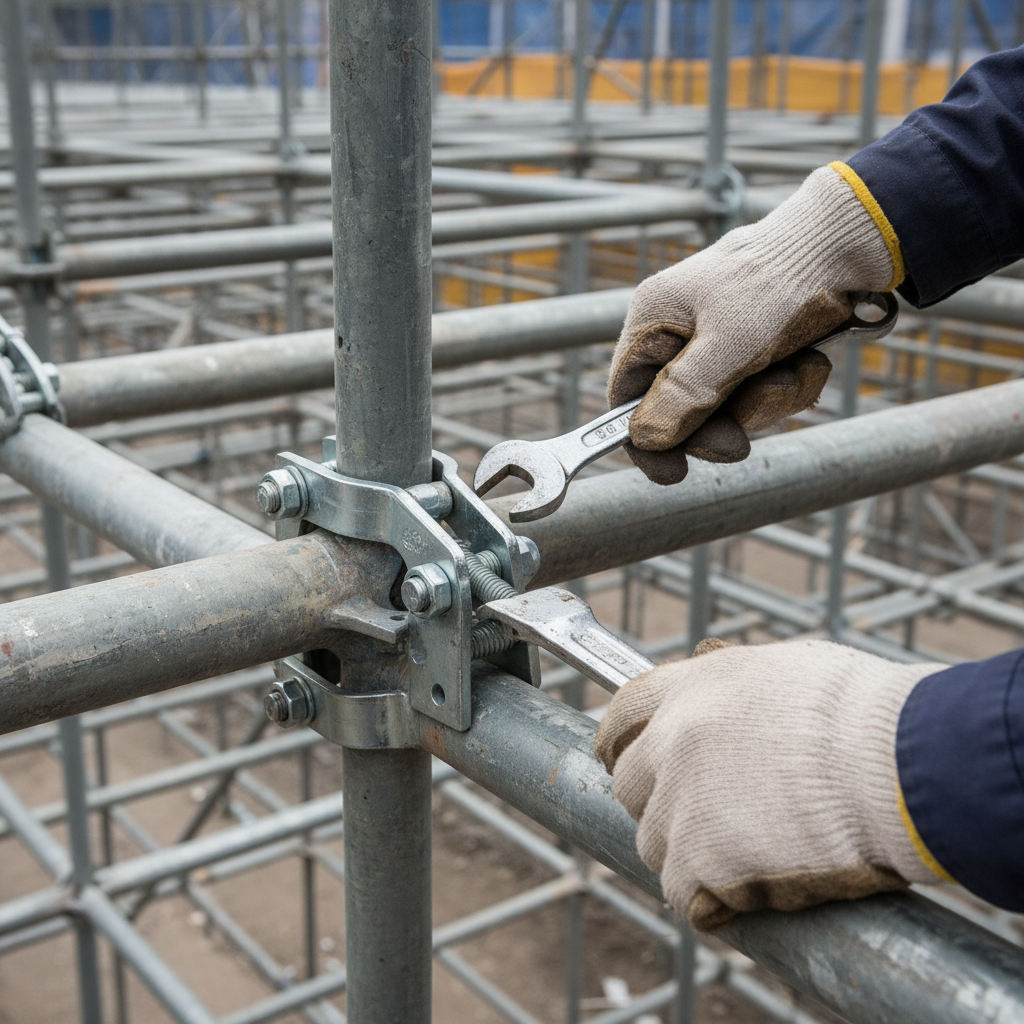
Make sure all parts are securely connected, and double-check that the scaffolding is level before proceeding. Use a spirit level to ensure accuracy. Secure the structure by tying it to a stable part of the building if possible.
Assembly Tips
- Follow the manufacturer's instructions carefully.
- Use safety locks to prevent parts from moving unexpectedly.
- Inspect all parts for damage before assembly.
Ensuring Safety While Working
With the scaffolding set up, it's essential to maintain safety as you work. Always wear appropriate safety gear, including a helmet and non-slip footwear. Use guardrails and toe boards to prevent falls and ensure that tools are secured.
Maintain a clean and organized work area on the scaffolding platform. Clutter can lead to accidents, so keep tools and materials tidy and within reach.
Preventing Accidents
- Check Stability: Regularly inspect the scaffolding for wobbling or movement.
- Weather Conditions: Avoid using scaffolding in high winds or storms.
- Access Points: Ensure ladders and steps are securely attached.
Regular Maintenance and Inspection
After completing your project, it's important to dismantle the scaffolding safely and store it properly. Regularly inspect your equipment for wear and tear, and replace any damaged parts immediately.
By following these DIY tips, you can ensure that your residential scaffolding setup is both safe and effective, allowing you to complete your projects with confidence.