DIY Scaffolding Tips for Home Renovators: What You Need to Know


Understanding the Basics of DIY Scaffolding
When undertaking a home renovation project, safety and efficiency are paramount. Scaffolding can be a game-changer, providing the necessary support and elevation to reach those high-up areas. However, building your own scaffolding requires careful planning and execution.
Before starting, familiarize yourself with the local regulations regarding scaffolding. These rules ensure safety standards are met and help you avoid potential legal issues. Additionally, consider the height and weight requirements of your project to determine the appropriate materials and design.

Choosing the Right Materials
Selecting the right materials for your scaffolding is crucial. Most DIY scaffolding is constructed from timber or steel, each offering unique benefits. Timber is lightweight and easy to work with, while steel is more durable and can support heavier loads. Evaluate your project's needs to make an informed choice.
Ensure all materials are in excellent condition. Using damaged or inferior-quality components can compromise the structure's integrity, increasing the risk of accidents. Always inspect your materials before assembly.
Design and Assembly Tips
Designing your scaffolding involves sketching a detailed plan. This plan should include dimensions, weight-bearing capacities, and safety features. Consider incorporating guardrails and toe boards to enhance safety while working at height.

During assembly, ensure all joints and connections are secure. Use proper tools and techniques to fasten components. Double-check every connection point to prevent any potential failures during use.
Safety Precautions
Safety should be your top priority when working on scaffolding. Always wear appropriate safety gear, such as helmets, harnesses, and non-slip footwear. Additionally, maintain a clean and organized work area to minimize hazards.
Never exceed the weight limit of your scaffolding. Overloading can lead to structural failure, posing serious risks to your safety. Regularly inspect your scaffolding for signs of wear or damage, and address any issues immediately.
Maintenance and Storage
Proper maintenance extends the lifespan of your scaffolding. After each use, clean all components and store them in a dry, sheltered location to prevent rust or decay. Periodically check for any signs of wear and replace damaged parts promptly.
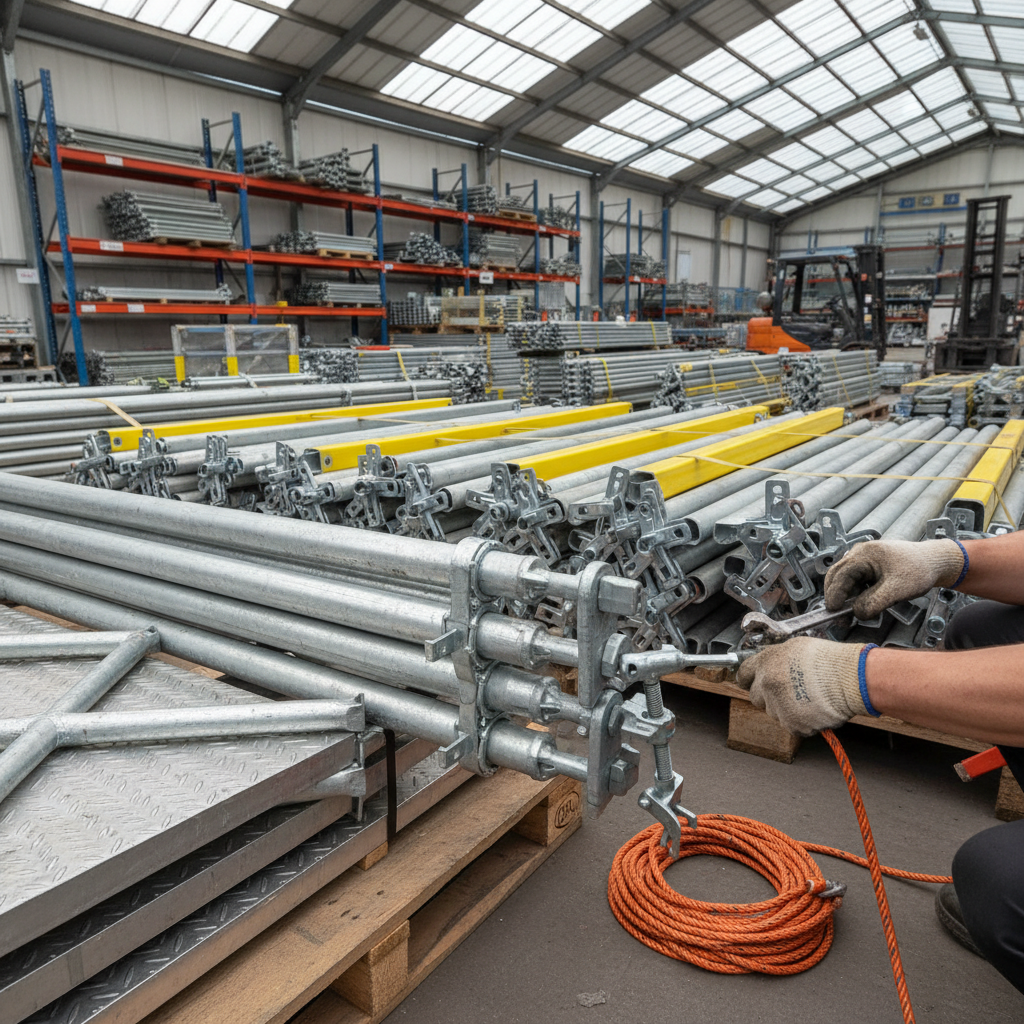
By following these DIY scaffolding tips, you can ensure that your home renovation projects are not only successful but also safe. With the right materials, careful planning, and diligent maintenance, you can create a reliable scaffolding system that meets your needs.