DIY Scaffolding Tips: When to Call in the Professionals


Understanding the Basics of DIY Scaffolding
Scaffolding is an essential component of many DIY projects, especially when working at height. Understanding the basics of setting up a scaffold can ensure both efficiency and safety. It's crucial to have a solid plan and the right materials before beginning any construction.
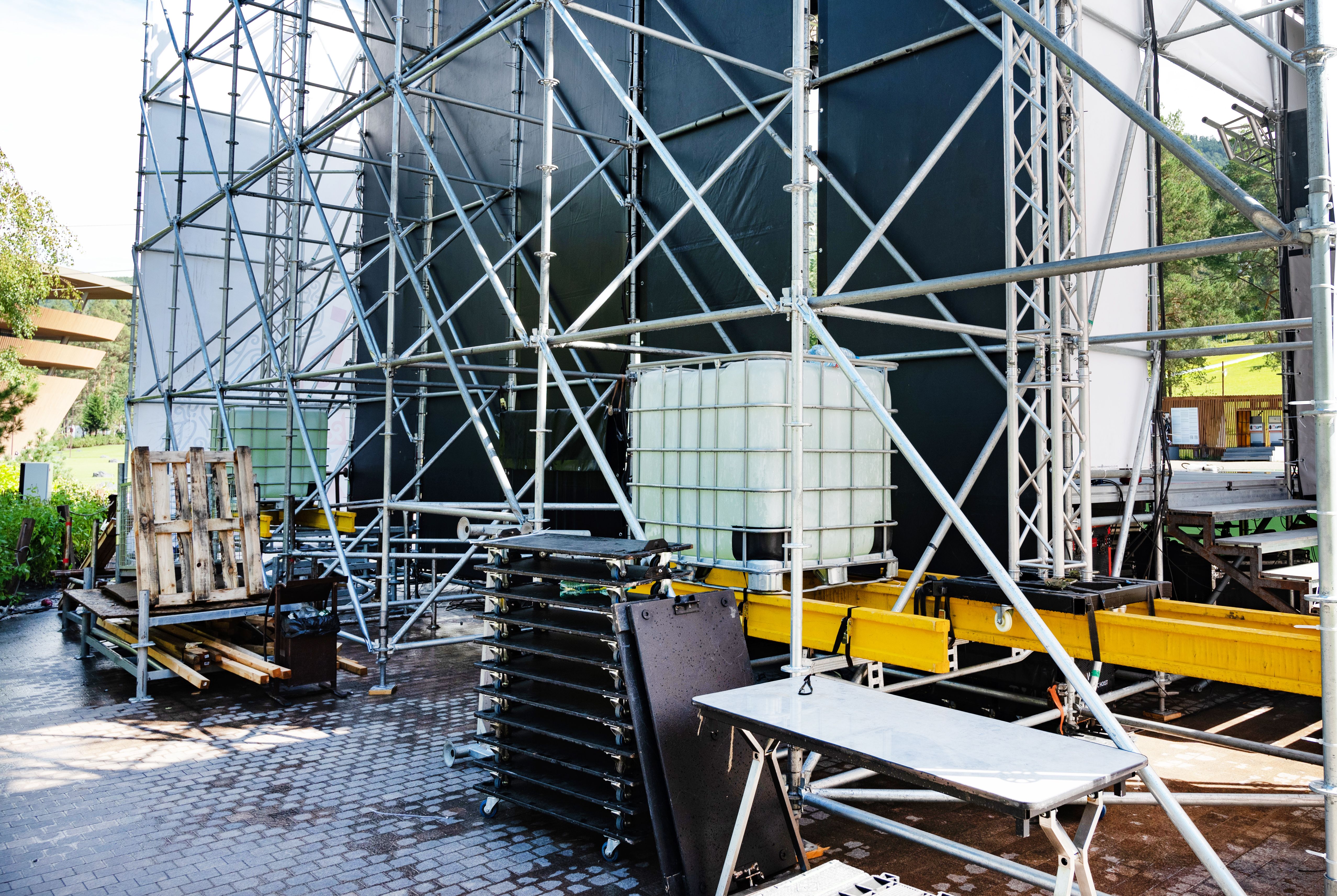
Essential Tools and Materials
Before starting, gather the necessary tools and materials. You'll typically need:
- Scaffold frames or tubes
- Base plates or mud sills
- Braces and cross braces
- Planks or decks
- Guardrails and safety equipment
Having these items on hand will streamline your setup and help maintain safety standards.
When to Consider Professional Help
While many small projects can be completed with DIY scaffolding, there are specific scenarios where calling in professionals is advisable. Recognizing these situations can prevent accidents and ensure your project stays on track.

Complex or Large-Scale Projects
If your project involves multiple levels or intricate design, professional scaffolding services may be necessary. Experts can design and implement scaffolding solutions that accommodate complex structures, ensuring stability and safety.
Height and Safety Concerns
Projects involving significant height can pose safety risks. Professionals are trained to handle these challenges and can provide scaffolding solutions that comply with safety regulations. This is particularly important for projects exceeding two stories.

Benefits of Hiring Professionals
Engaging professionals not only enhances safety but can also save time and resources. Here are some key benefits:
- Expertise: Professionals have the knowledge and experience to set up scaffolds efficiently.
- Compliance: They ensure that all safety regulations and standards are met.
- Insurance: Professional services are typically insured, providing an additional safety net.
Cost Considerations
While hiring professionals may seem costly initially, it can prevent potential expenses related to accidents or project delays. Weighing this against the complexity and demands of your project is crucial in decision-making.
Conclusion
DIY scaffolding can be a viable option for many projects, but understanding when to call in the professionals is key to success. By assessing your project's needs and potential risks, you can make informed decisions that prioritize safety and efficiency.