DIY Scaffolding Safety Tips for Home Renovations


Understanding the Basics of Scaffolding
When undertaking home renovations, many DIY enthusiasts consider using scaffolding for better access and safety. Scaffolding provides a stable platform for working on high areas of your home, but it's crucial to understand how to use it safely. In this guide, we'll cover essential tips to ensure your scaffolding experience is both safe and effective.
First and foremost, it's vital to choose the right type of scaffolding for your project. There are several types, including supported, suspended, and mobile scaffolds. Each type serves a different purpose, so make sure you select one that fits your specific needs.

Setting Up Your Scaffolding
Setting up scaffolding requires careful attention to detail. Start by ensuring the ground is level and stable. Uneven or soft ground can lead to accidents. Use base plates or adjustable screw jacks to stabilize the scaffolding on uneven surfaces. Always follow the manufacturer’s instructions for assembly.
Once the base is secure, assemble the scaffolding frame. Make sure all locking mechanisms are engaged and that the structure is stable before climbing. If your scaffold is over a certain height, it may require additional bracing or tie-ins to a building structure for extra stability.
Inspecting Your Scaffolding
Before each use, inspect your scaffolding thoroughly. Look for any signs of wear and tear, such as rust, cracks, or missing parts. Make sure all connections are secure and that the platform is level. Regular inspections are crucial to maintaining a safe working environment.
Safe Practices While Using Scaffolding
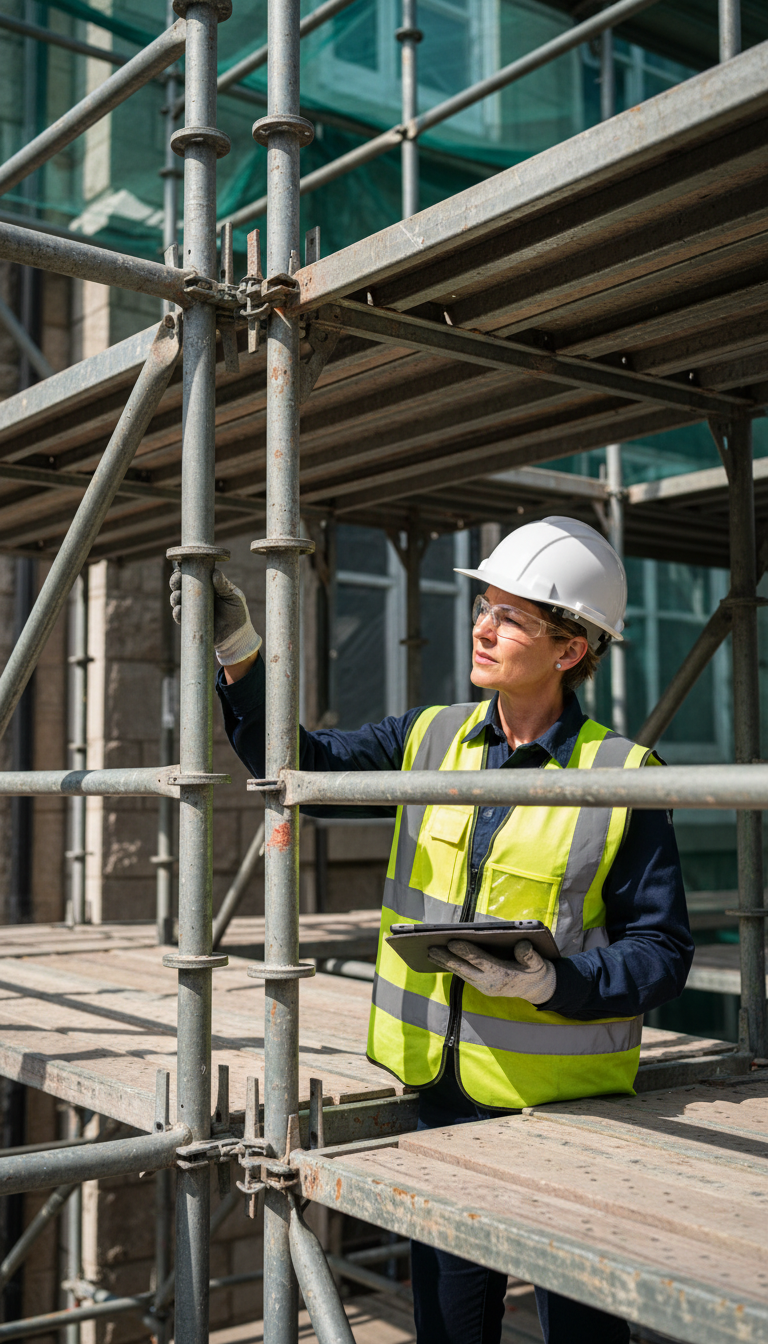
Always use appropriate safety gear when working on scaffolding. This includes wearing a hard hat, non-slip footwear, and a safety harness if necessary. Never exceed the weight limit specified for your scaffold, as this can compromise stability.
When climbing onto the scaffold, use a ladder or stairway specifically designed for scaffold access. Never climb on cross braces or other structural components. Additionally, keep tools and materials organized on the platform to prevent tripping hazards.
Weather Considerations
Be mindful of weather conditions when using scaffolding. High winds, rain, or snow can make scaffolding unsafe. If the weather takes a turn for the worse, it's best to pause your work and secure the scaffold until conditions improve.
Proper Dismantling Techniques
When your project is complete, dismantling the scaffolding safely is just as important as setting it up. Follow the manufacturer’s instructions in reverse order, taking care to remove components evenly to maintain balance. Never attempt to dismantle scaffolding alone; always have a partner to assist.
By following these DIY scaffolding safety tips, you can ensure a secure and efficient home renovation process. Always prioritize safety to protect yourself and others working on the project.