DIY Scaffolding Safety Tips for Home Renovations


Understanding Scaffolding Basics
When embarking on home renovations, many DIY enthusiasts find themselves needing to tackle projects that require the use of scaffolding. While scaffolding can provide the necessary height and stability to work safely, it's crucial to understand the basics before setting it up. Ensuring that you have the right type of scaffolding for your project is a vital first step. Consider the height, weight capacity, and the surface on which it will be installed.
Before purchasing or renting scaffolding, assess the area where it will be used. Make sure it's suitable for the ground conditions and weather. Opt for quality materials to ensure stability and safety. Remember, investing in the right equipment can prevent accidents and injuries.
Assembly and Inspection
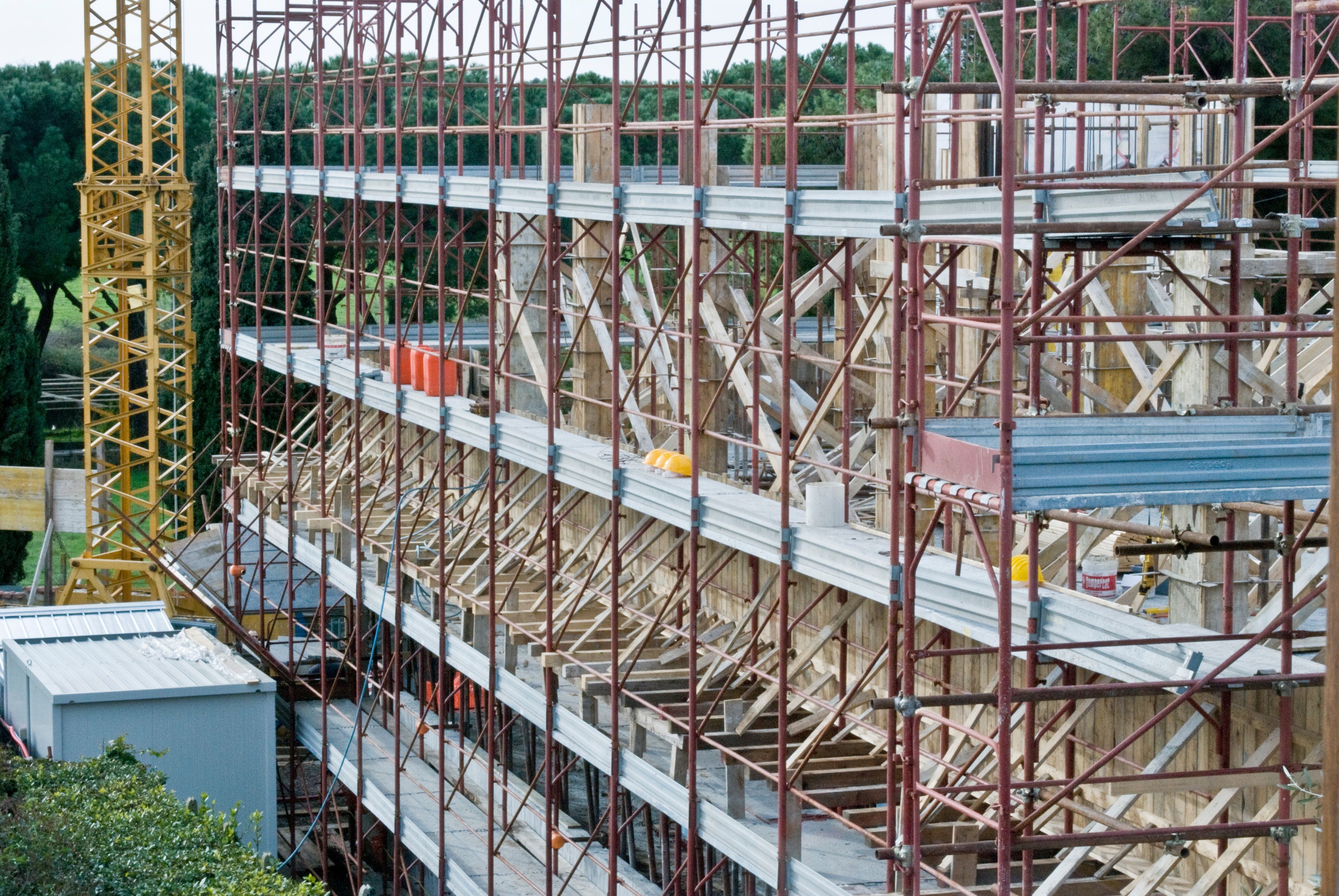
Proper assembly is key to scaffolding safety. Always follow the manufacturer's instructions and guidelines. If you're unsure, seek professional advice. Even small mistakes during assembly can lead to significant safety hazards.
Once assembled, inspect the scaffolding thoroughly. Check for any loose connections or damaged parts. Regular inspections during the project are also essential, especially after adverse weather conditions. Always ensure that all components are secure and intact.
Secure the Base
The base is the foundation of your scaffolding. Make sure it's level and stable. Use base plates or mud sills to distribute weight evenly, especially on uneven or soft ground. Avoid setting up scaffolding on loose or shifting surfaces to prevent tipping or collapse.

Safety Gear and Practices
Wearing the right safety gear is non-negotiable when working on scaffolding. This includes harnesses, helmets, and non-slip footwear. Always maintain three points of contact when climbing up or down the scaffolding to prevent falls.
Keep the working area organized. Avoid clutter and ensure that tools and materials are securely placed. Loose items can become tripping hazards or fall off, posing risks to anyone below.
Weather Considerations
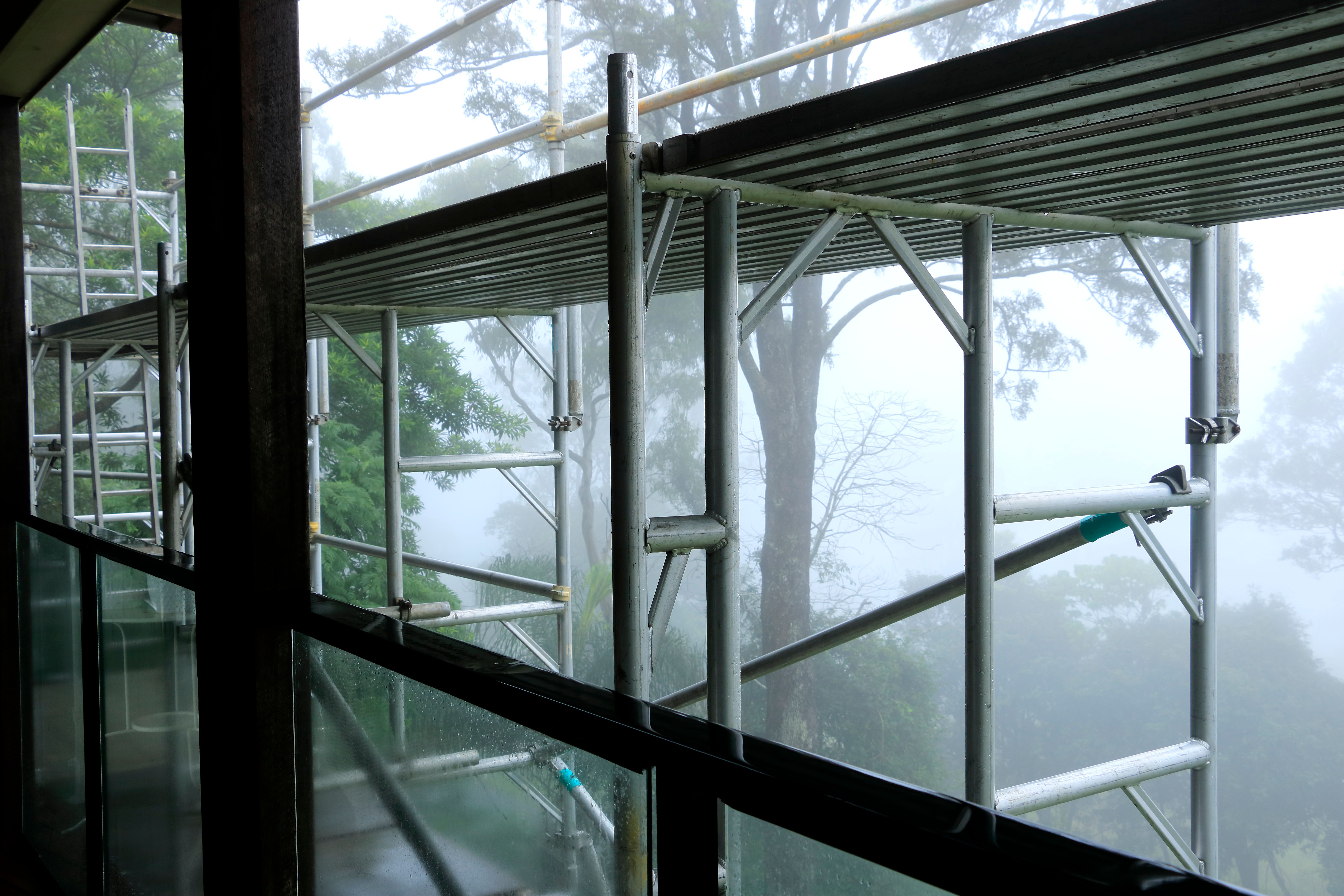
Weather can dramatically affect scaffolding safety. Avoid using scaffolding during high winds or storms, as these conditions can increase the risk of accidents. Wet or icy surfaces can also be slippery, so wait for safe conditions before proceeding with your work.
Training and Supervision
If you're new to using scaffolding, consider taking a safety course. Proper training can provide invaluable insights into safe practices and accident prevention. For projects that require multiple people, ensure that everyone involved is briefed on safety protocols and understands their roles.
Supervision is crucial, especially when multiple individuals are working on the scaffolding. Appoint a safety officer to oversee operations and ensure compliance with safety guidelines. Regular communication can prevent misunderstandings and promote a safer working environment.
Conclusion
DIY home renovations can be fulfilling, but safety should always be your top priority. By understanding the basics, ensuring proper assembly, and adhering to safety practices, you can minimize risks and enjoy a successful project. Remember, when in doubt, consult a professional to ensure that your scaffolding setup meets safety standards.