DIY Roof Inspection Tips: When to Call the Experts


Understanding the Basics of Roof Inspection
Conducting a DIY roof inspection can save you money and help you understand the condition of your roof. However, it's important to know what to look for to ensure your roof is in good shape. Regular inspections can help you spot potential issues before they turn into costly repairs.
Before you start, make sure you have the proper safety gear, such as a sturdy ladder, non-slip shoes, and a safety harness. Safety should always be your top priority when inspecting your roof.
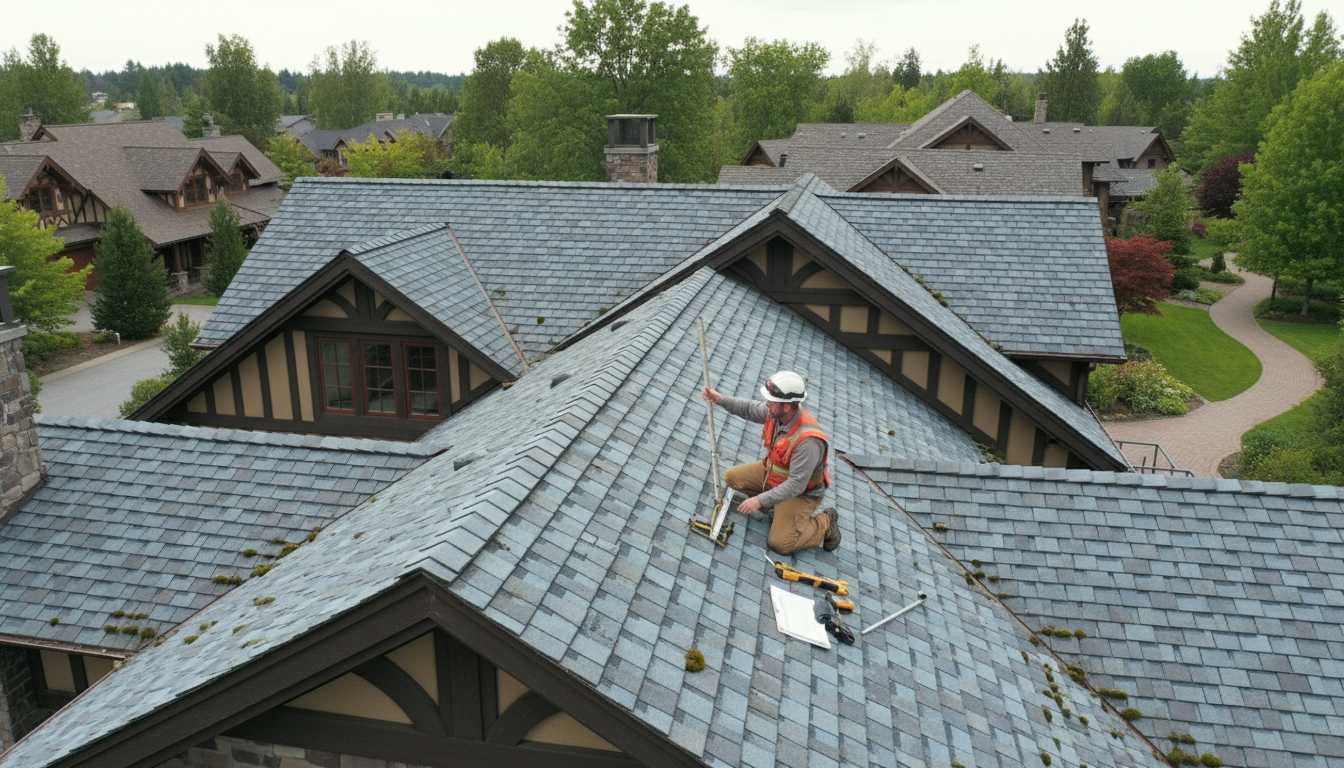
Identifying Common Roof Problems
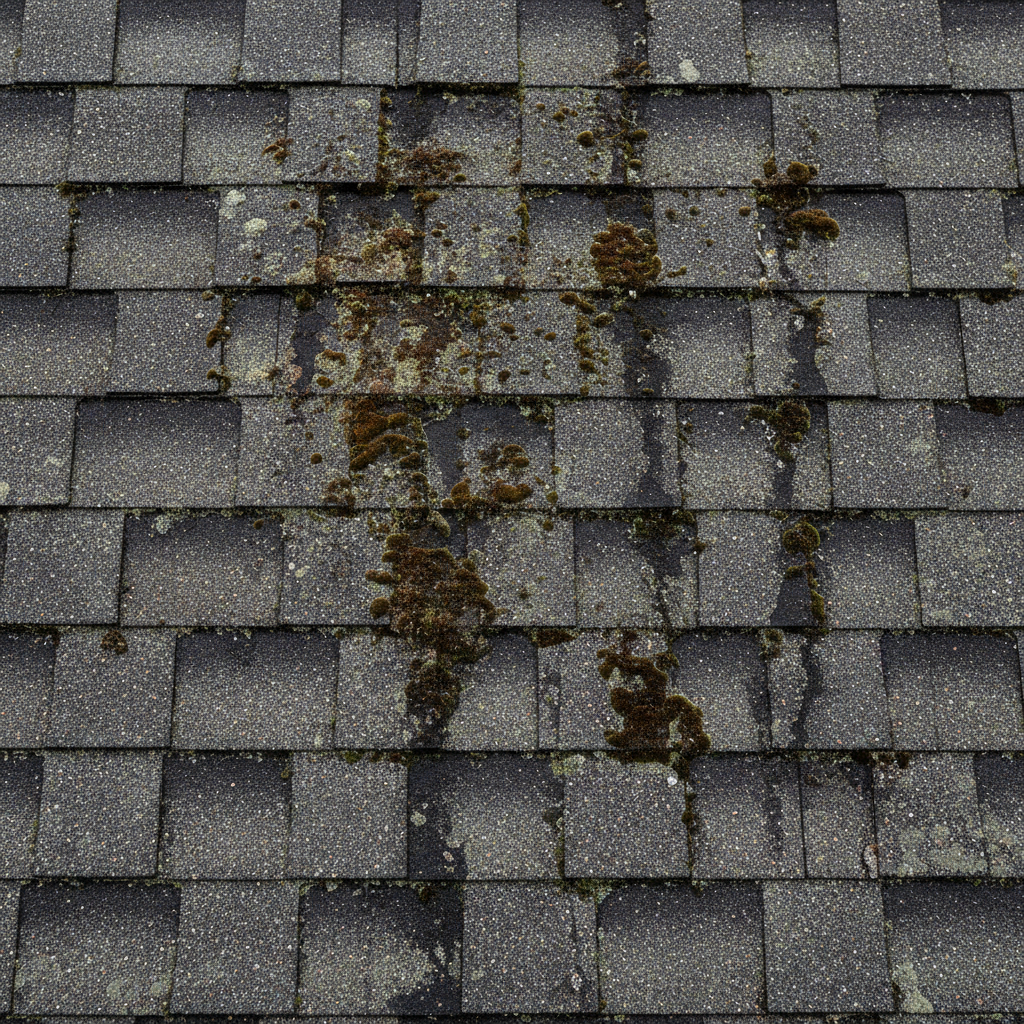
During your inspection, keep an eye out for common roof problems such as missing or damaged shingles, leaks, and debris accumulation. Check for signs of water damage, like discoloration or mold, which can indicate underlying issues.
Another key area to inspect is the flashing around chimneys, vents, and skylights. Damaged flashing can lead to leaks and should be repaired promptly to prevent further damage.
Inspecting Gutters and Downspouts
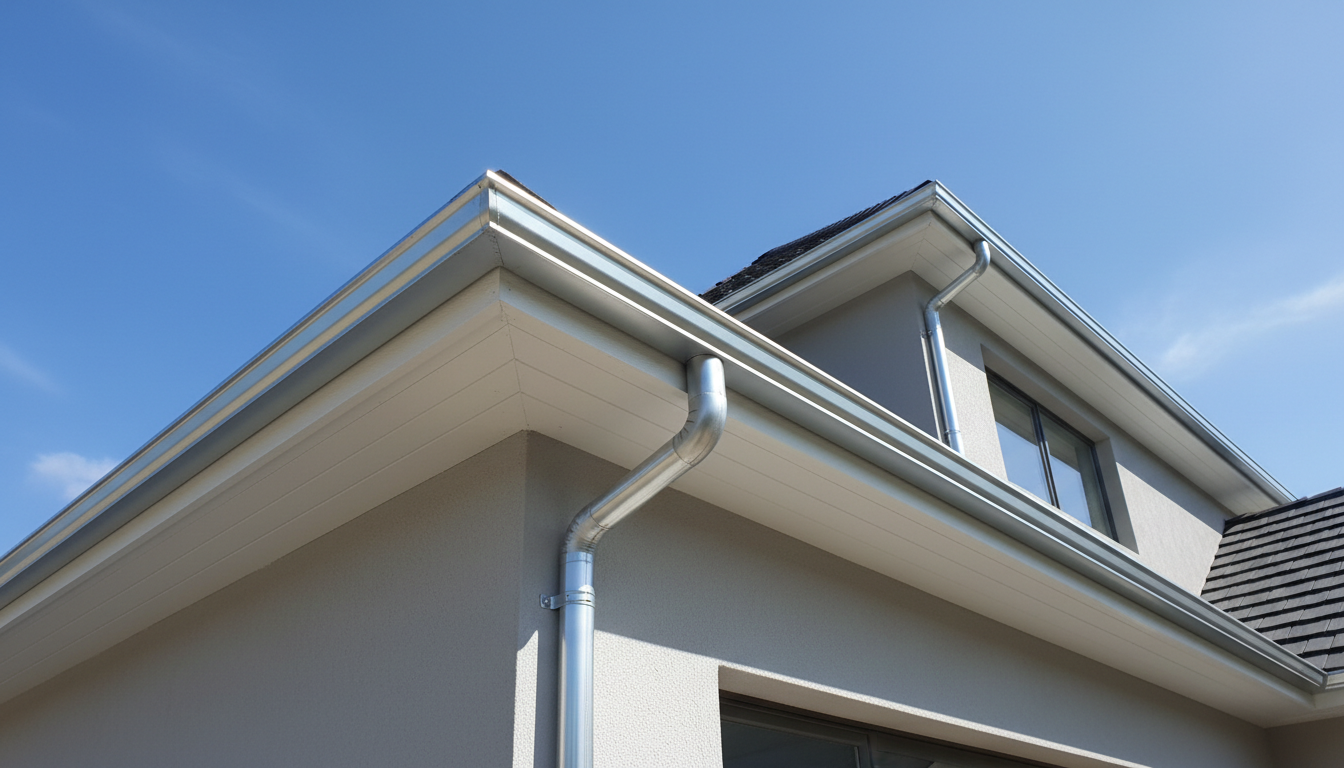
Gutters and downspouts play a crucial role in directing water away from your roof and home. Ensure they are free of debris and are properly attached. Clogged gutters can lead to water buildup and potential roof damage.
Check for any signs of rust or corrosion, which can weaken the structure and require replacement. If you notice any sagging or misalignment, it may be time to call in a professional for repairs.
When to Call the Experts
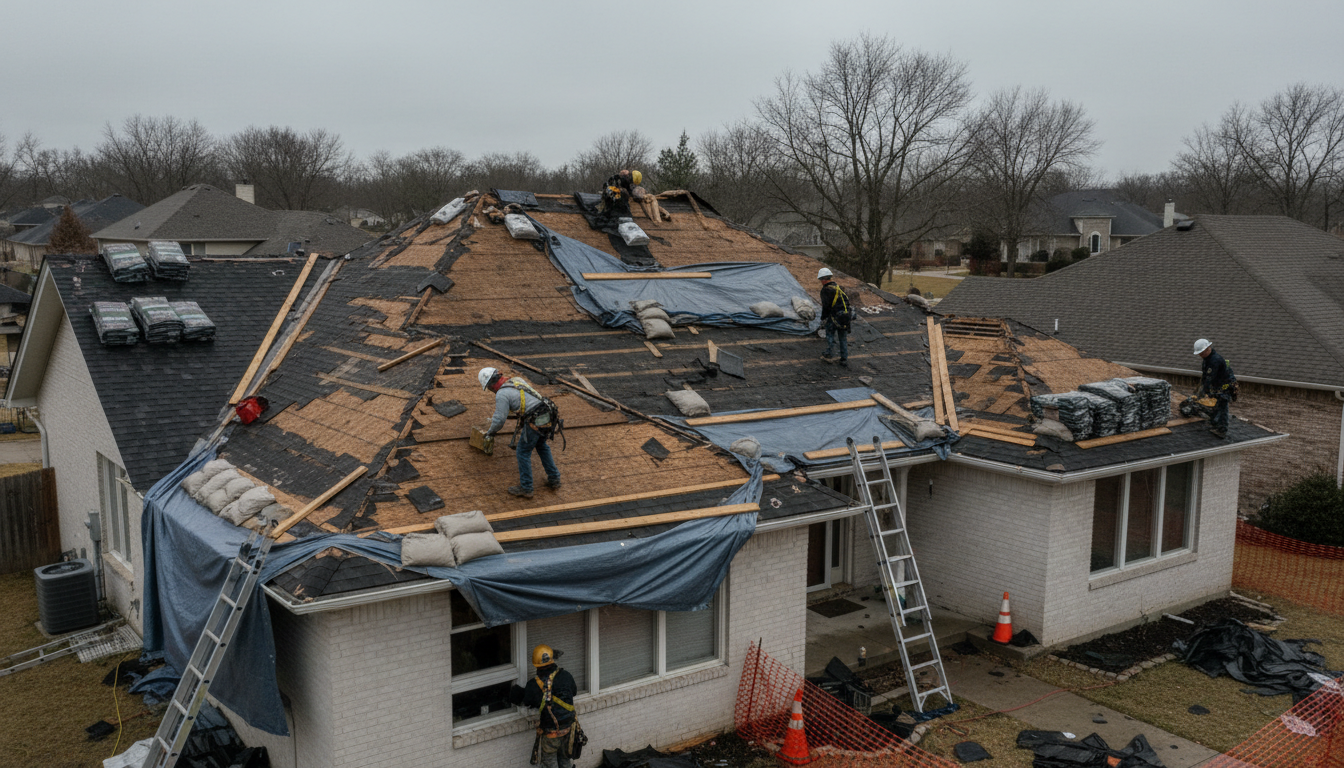
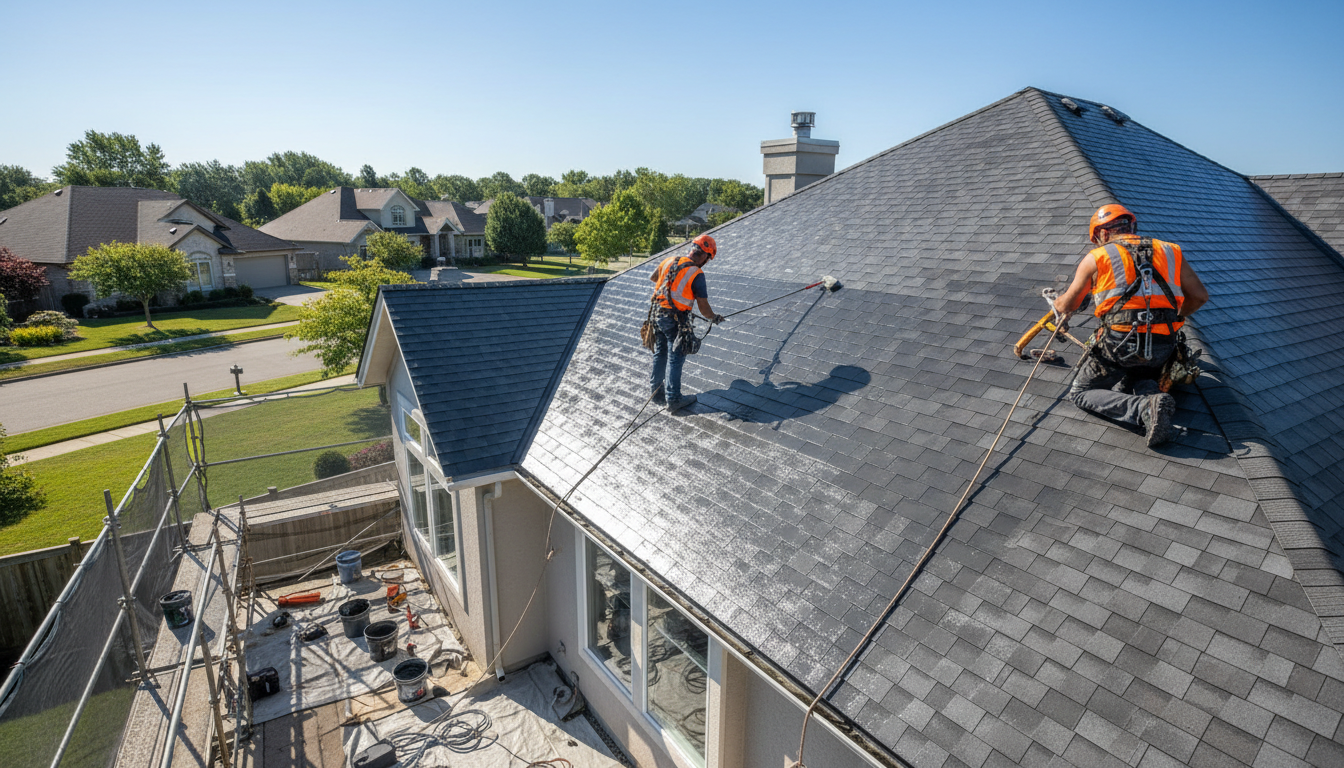
While DIY inspections are beneficial, some situations require professional expertise. If you notice extensive damage, such as large areas of missing shingles or significant leaks, it's best to contact a roofing expert. Professionals have the tools and experience to handle complex repairs safely.
Additionally, if your roof is nearing the end of its expected lifespan, a professional inspection can provide valuable insights into whether it's time for a replacement. They can also offer maintenance tips to extend the life of your roof.
Maintaining Your Roof for Longevity
Regular maintenance is key to extending the lifespan of your roof. Simple tasks like cleaning gutters, trimming overhanging branches, and removing debris can prevent potential damage. A well-maintained roof not only looks better but also performs better.
Consider scheduling professional inspections annually to catch any hidden issues early. This proactive approach can save you money and stress in the long run.
Final Thoughts
A DIY roof inspection is a great way to understand the condition of your roof and address minor issues before they escalate. However, knowing when to call the experts is crucial for maintaining the safety and integrity of your home.
By combining regular inspections with professional assessments, you can ensure your roof remains in top condition for years to come. Remember, a little attention now can prevent major headaches later.