Comprehensive Guide to Residential Scaffolding in Surrey


Understanding Residential Scaffolding
Residential scaffolding is an essential part of many home improvement projects in Surrey. Whether you're planning a renovation, extension, or simple maintenance, scaffolding provides the necessary support and safety for workers accessing elevated areas. Understanding the different types and uses of scaffolding can help you make informed decisions for your project.
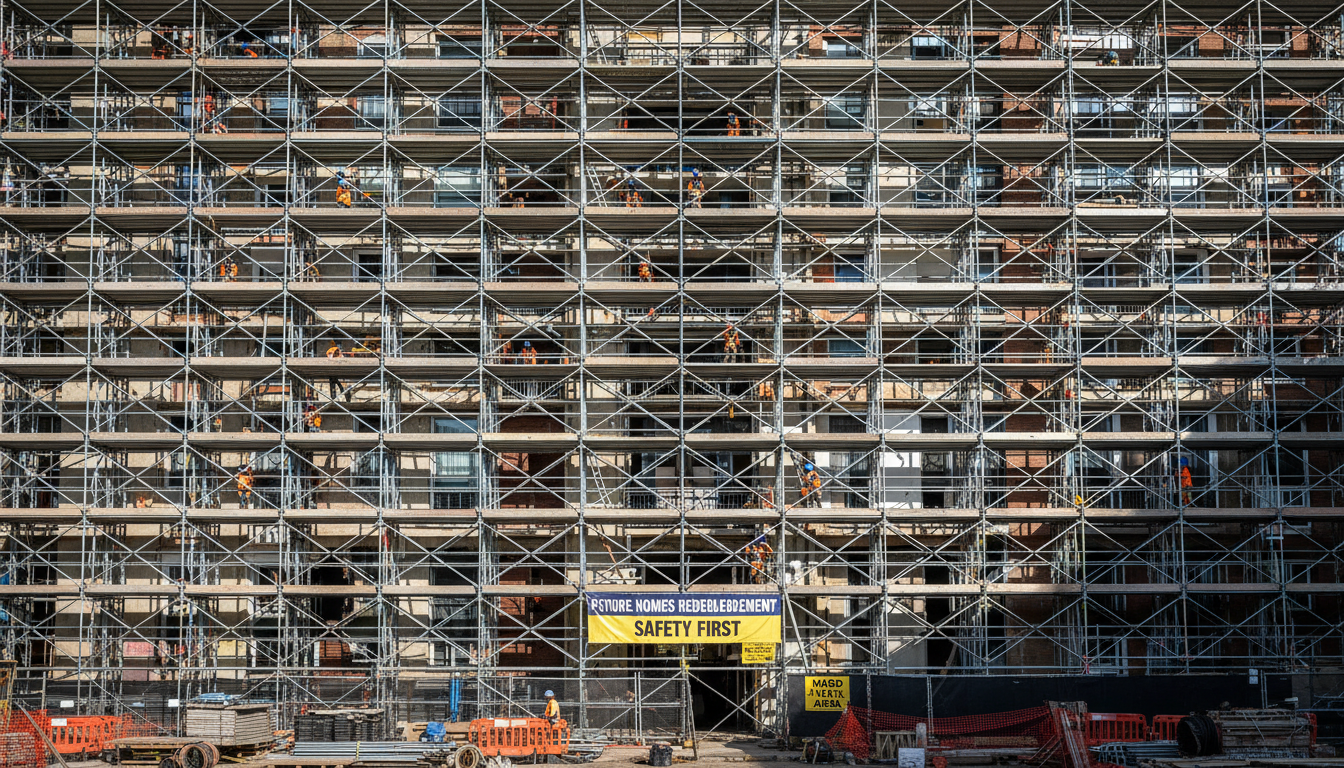
Scaffolding is not just about support; it's about ensuring safety and efficiency. Proper installation and usage can significantly reduce the risk of accidents, which is why it's crucial to work with experienced professionals who understand the nuances of residential scaffolding.
Types of Residential Scaffolding
There are several types of scaffolding that can be used in residential projects, each with its unique benefits:
- Single Scaffolding: Commonly used in brickwork, it consists of a single framework of standards, ledgers, and putlogs.
- Double Scaffolding: Often used for stone work, it provides extra support with a double framework.
- Suspended Scaffolding: Ideal for painting and repair work, it can be raised or lowered as needed.
- Mobile Scaffolding: Equipped with wheels, this type is perfect for projects that require frequent movement.

Choosing the Right Scaffolding for Your Project
When selecting scaffolding for your project, consider factors like the height of the structure, the duration of the project, and the type of work being performed. Consulting with a professional scaffolding company can provide valuable insight and ensure that you choose the right type for your needs.
Additionally, it's important to assess the ground conditions where the scaffolding will be erected. Stability is key, and the ground must be level to support the structure safely.
Regulations and Safety Standards
Adhering to local regulations and safety standards is crucial when using scaffolding in Surrey. The Health and Safety Executive (HSE) provides guidelines that must be followed to ensure the safety of workers and bystanders.
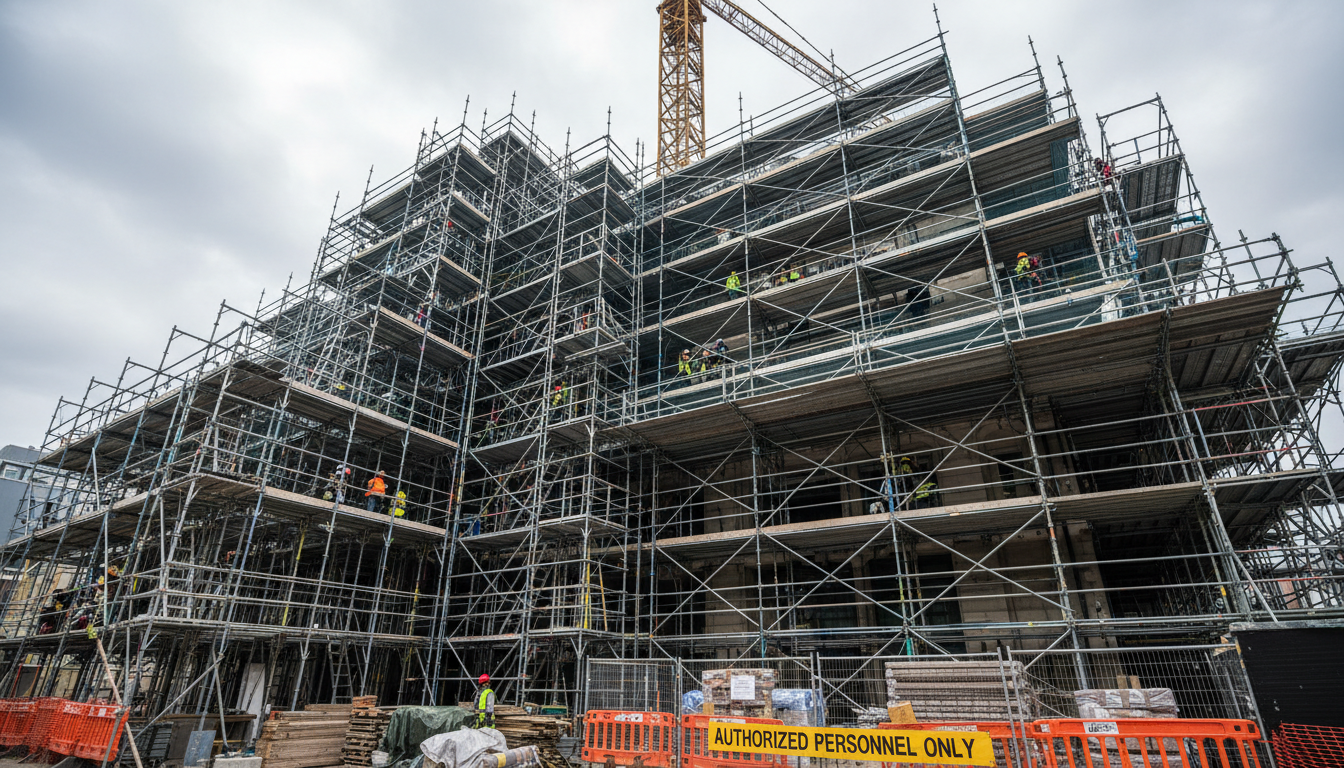
Regular inspections and maintenance are also vital. Scaffolding should be checked by a competent person before use and after any alterations. This helps in identifying any potential hazards and addressing them promptly.
Hiring a Professional Scaffolding Service
While some homeowners might consider DIY scaffolding, hiring a professional service offers numerous advantages. Experienced scaffolding companies have the expertise to design, erect, and dismantle structures safely and efficiently.
Professional services also carry the necessary insurance, providing peace of mind and protection against any potential liabilities. This can be a critical factor in ensuring safety and compliance with local laws.
Cost Considerations
The cost of scaffolding can vary based on factors such as the size and complexity of the project, the type of scaffolding used, and the duration of the rental. It's essential to obtain quotes from multiple providers to ensure competitive pricing.
While cost is a significant factor, it's equally important to consider the quality and reliability of the service. Opting for the cheapest option may not always be the best decision, especially when safety is at stake.
Conclusion
Residential scaffolding in Surrey plays a critical role in ensuring safe and efficient home improvement projects. By understanding the different types, regulations, and factors to consider, homeowners can make informed decisions that prioritize safety and quality. Whether you're planning a minor repair or a major renovation, investing in professional scaffolding services is a wise choice that can enhance the success of your project.