Comparing Scaffolding Types: Which Is Best for Your Project?


Understanding Scaffolding Types
When embarking on a construction project, choosing the right scaffolding is crucial for safety and efficiency. Scaffolding provides a temporary structure to support workers and materials, so selecting the appropriate type can significantly impact your project's success.
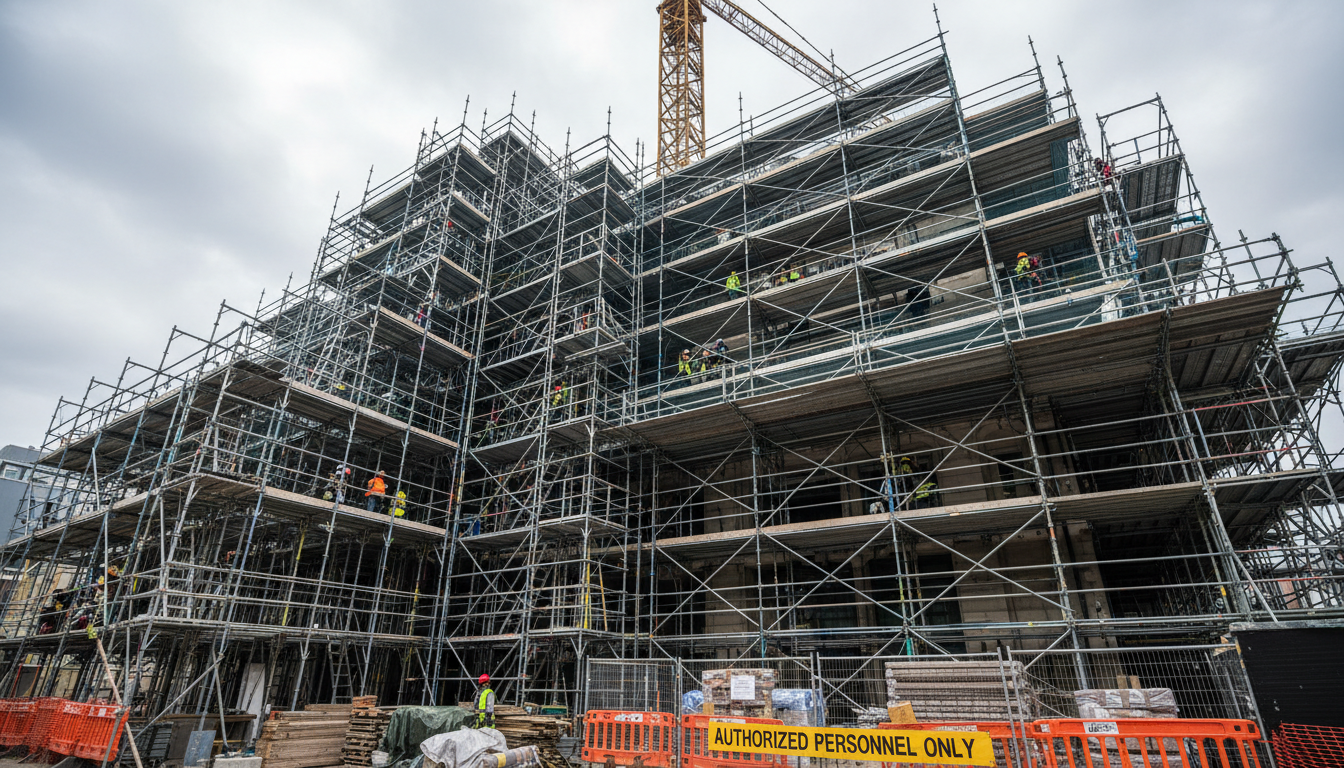
Supported Scaffolding
Supported scaffolding is one of the most common types used in construction. It consists of platforms supported by rigid, load-bearing members like poles and frames. This type is ideal for projects that require access to multiple floors of a building.
Advantages:
- Easy to assemble and disassemble.
- Highly stable and can support heavy loads.
However, it requires a solid foundation and can be time-consuming to set up, making it less suitable for short-term projects.
Suspended Scaffolding
Suspended scaffolding is hung from the roof or the top of a building. This type is perfect for projects that involve exterior work and require frequent changes in elevation.
Advantages:
- Allows easy height adjustments.
- Doesn't require a lot of ground space.
Yet, its reliance on roof support makes it unsuitable for projects where roof stability is a concern.
Rolling Scaffolding
Rolling scaffolding is similar to supported scaffolding but with wheels for mobility. It’s highly beneficial for projects that require constant movement across large areas.
Advantages:
- Highly mobile and versatile.
- Quick to set up and adjust.
Its primary downside is the potential instability on uneven surfaces, so it’s important to ensure a level working area.
Choosing the Right Scaffolding for Your Project
When selecting scaffolding, consider factors like project duration, height requirements, and site conditions. Each type has its strengths and should be matched to the specific needs of your project.
For instance, supported scaffolding is excellent for long-term projects, while suspended scaffolding is ideal for high-rise building work. Rolling scaffolding offers flexibility for tasks that require frequent repositioning.
Conclusion
Choosing the right scaffolding type can greatly influence the efficiency and safety of your project. By understanding the distinct features and advantages of each type, you can make an informed decision that best suits your construction needs.
It’s always recommended to consult with scaffolding professionals to ensure compliance with safety regulations and to maximize the benefits of your chosen scaffolding system.