Commercial vs. Residential Roofing Solutions: Key Differences and Considerations


Introduction to Roofing Solutions
When it comes to roofing, understanding the differences between commercial and residential solutions is crucial for making informed decisions. These two types of roofing systems serve different purposes and have unique requirements. Knowing these distinctions can help property owners choose the right materials, design, and installation processes.
Whether you're a homeowner or a business owner, selecting the appropriate roofing solution can impact the longevity and efficiency of your property. Let's delve into the key differences and considerations between commercial and residential roofing solutions.
Structural Differences
Roof Design
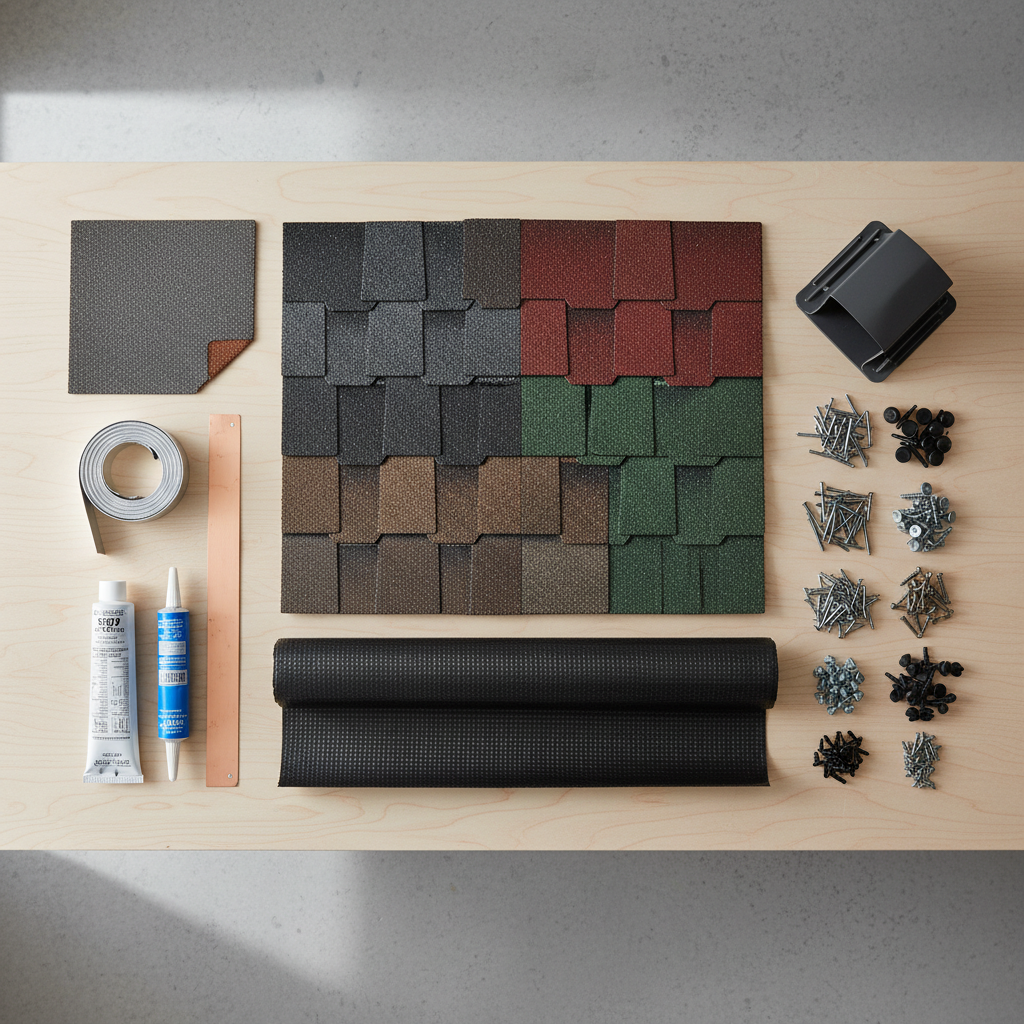
One of the primary differences between commercial and residential roofing is the design. Residential roofs are typically steep-sloped and designed with aesthetic appeal in mind. They often use materials like asphalt shingles, tiles, or wood shakes.
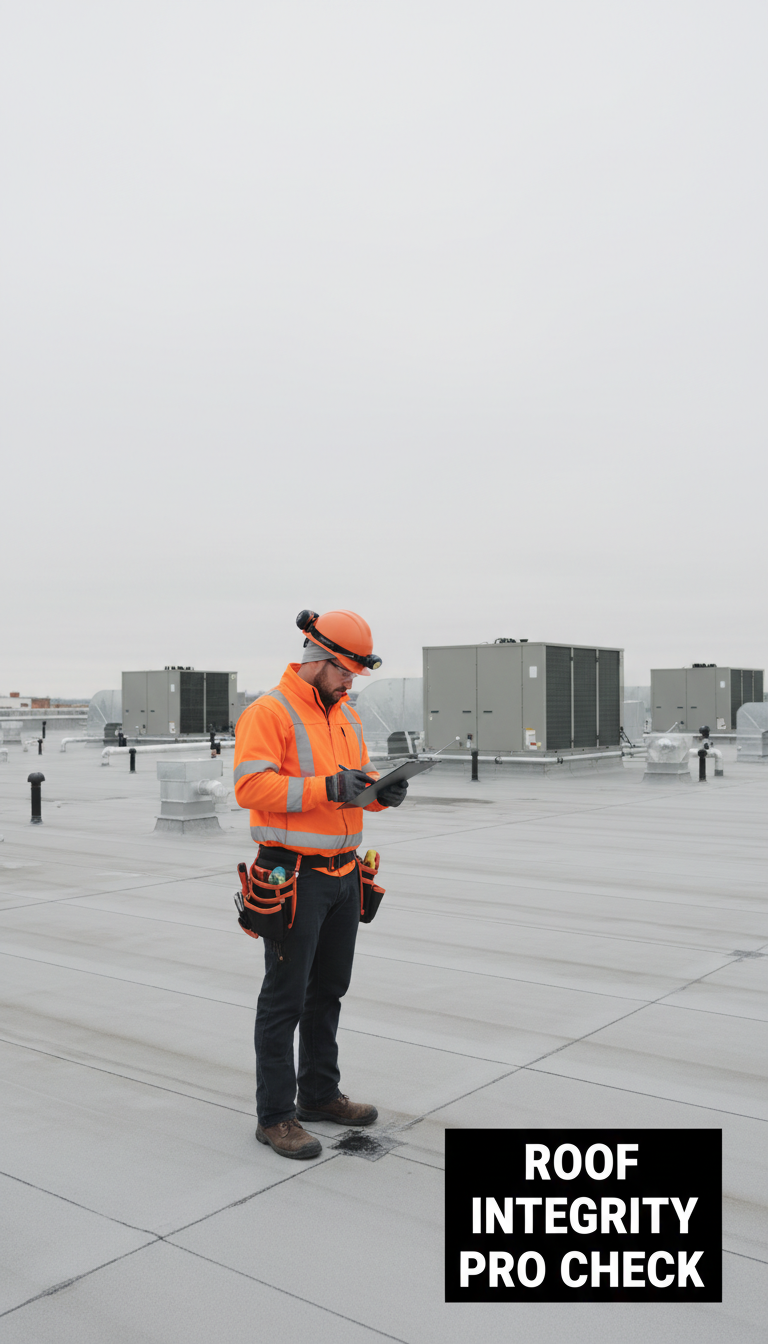
On the other hand, commercial roofs are usually flat or low-sloped to accommodate large surface areas. They require materials that provide durability and weather resistance, such as metal, TPO, or EPDM. This structural difference impacts the choice of materials and installation techniques.
Size and Scale
The size and scale of commercial roofs are significantly larger than residential ones. This factor influences everything from the type of materials used to the labor required for installation and maintenance. The larger surface area of commercial roofs also demands more robust drainage systems to prevent water accumulation.
Material Considerations
Durability and Longevity
Commercial roofing materials are chosen for their durability and ability to withstand harsh environmental conditions. Materials like metal and PVC are popular choices for their long lifespan and resistance to elements. Residential roofs, while also requiring durability, often prioritize appearance, leading to the use of materials like shingles and tiles.
Both commercial and residential roofs must be designed and maintained to withstand the local climate, but the priority on aesthetics versus functionality can lead to different material choices.
Cost Implications
Cost is a significant factor when choosing between commercial and residential roofing solutions. Commercial roofs often require more investment due to their size and the quality of materials needed. However, they may offer better long-term value through enhanced energy efficiency and reduced maintenance costs.
In contrast, residential roofing solutions may have a lower initial cost but could require more frequent repairs and replacements, depending on the materials used.
Installation and Maintenance
Installation Processes
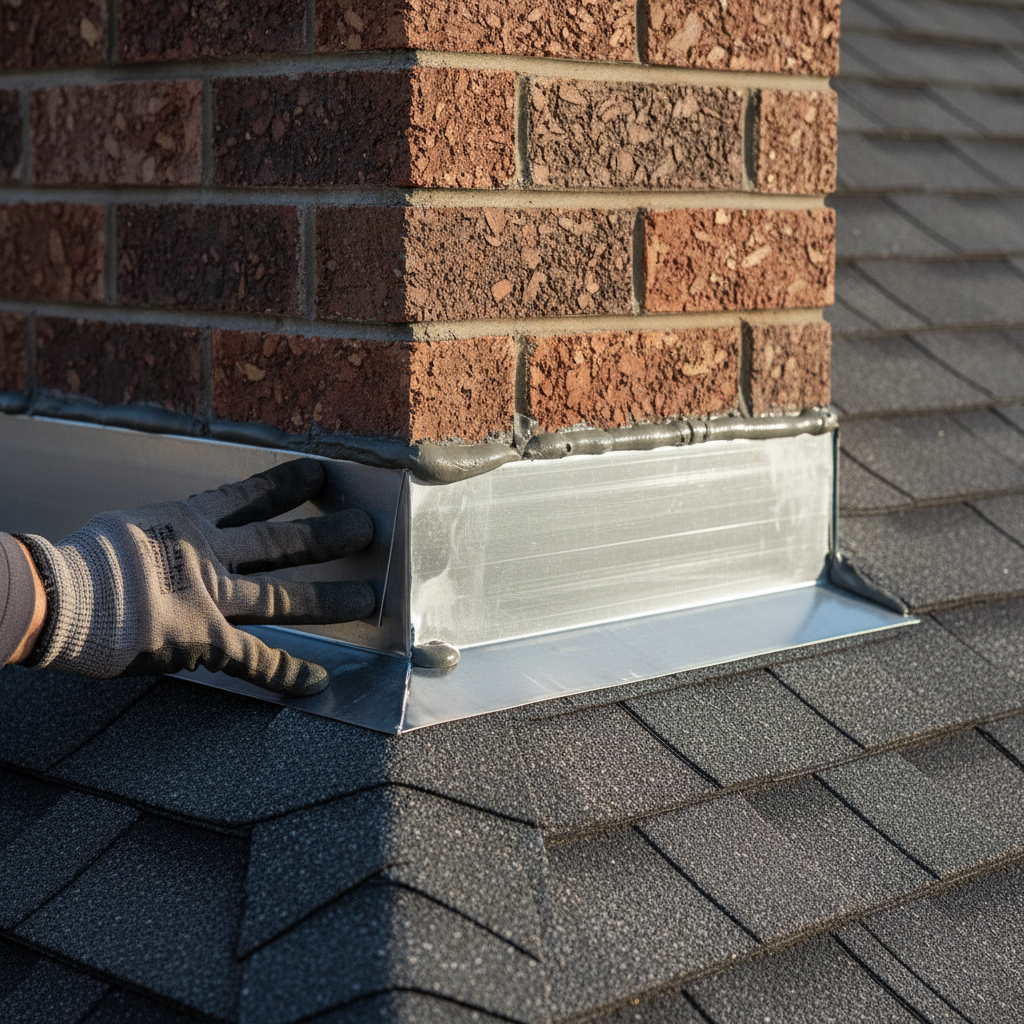
The installation process for commercial roofs is generally more complex. It may involve specialized equipment and techniques to handle the larger scale and unique material requirements. Proper installation is crucial to ensure the roof's performance and longevity.
Residential roofing installation is typically quicker and less complicated, but still requires skilled professionals to ensure quality results. Homeowners should seek experienced contractors to handle their roofing projects.
Maintenance Requirements
Regular maintenance is essential for both commercial and residential roofs, yet the approaches differ. Commercial roofs often require routine inspections and maintenance due to their larger scale and material types. This maintenance helps identify and address potential issues before they escalate.
Residential roofs, while typically requiring less frequent maintenance, should still be inspected regularly to prolong their lifespan and maintain their aesthetic appeal.
Conclusion
Choosing between commercial and residential roofing solutions involves understanding the unique needs and characteristics of each. By considering factors such as design, materials, cost, and maintenance, property owners can make informed decisions that align with their specific requirements.
Ultimately, working with a knowledgeable roofing contractor can ensure that the chosen solution meets both practical and aesthetic needs, ensuring a durable and visually pleasing roof for years to come.