Case Study: Successful Scaffolding Project in Surrey


Introduction to the Project
In the bustling city of Surrey, a remarkable scaffolding project recently showcased innovation and efficiency. This project, undertaken by a leading construction firm, aimed to restore a historic building while ensuring safety and minimal disruption to the surrounding area. The success of this project serves as a benchmark for the industry.
Project Goals and Challenges
The primary objective was to preserve the building's architectural integrity while updating its infrastructure. The project faced several challenges, including tight deadlines, limited space, and the need to maintain public safety. Overcoming these hurdles required strategic planning and expert execution.
Key challenges included:
- Ensuring the stability of the scaffolding structure.
- Minimizing impact on local traffic and businesses.
- Adhering to environmental and safety regulations.
Innovative Solutions Implemented
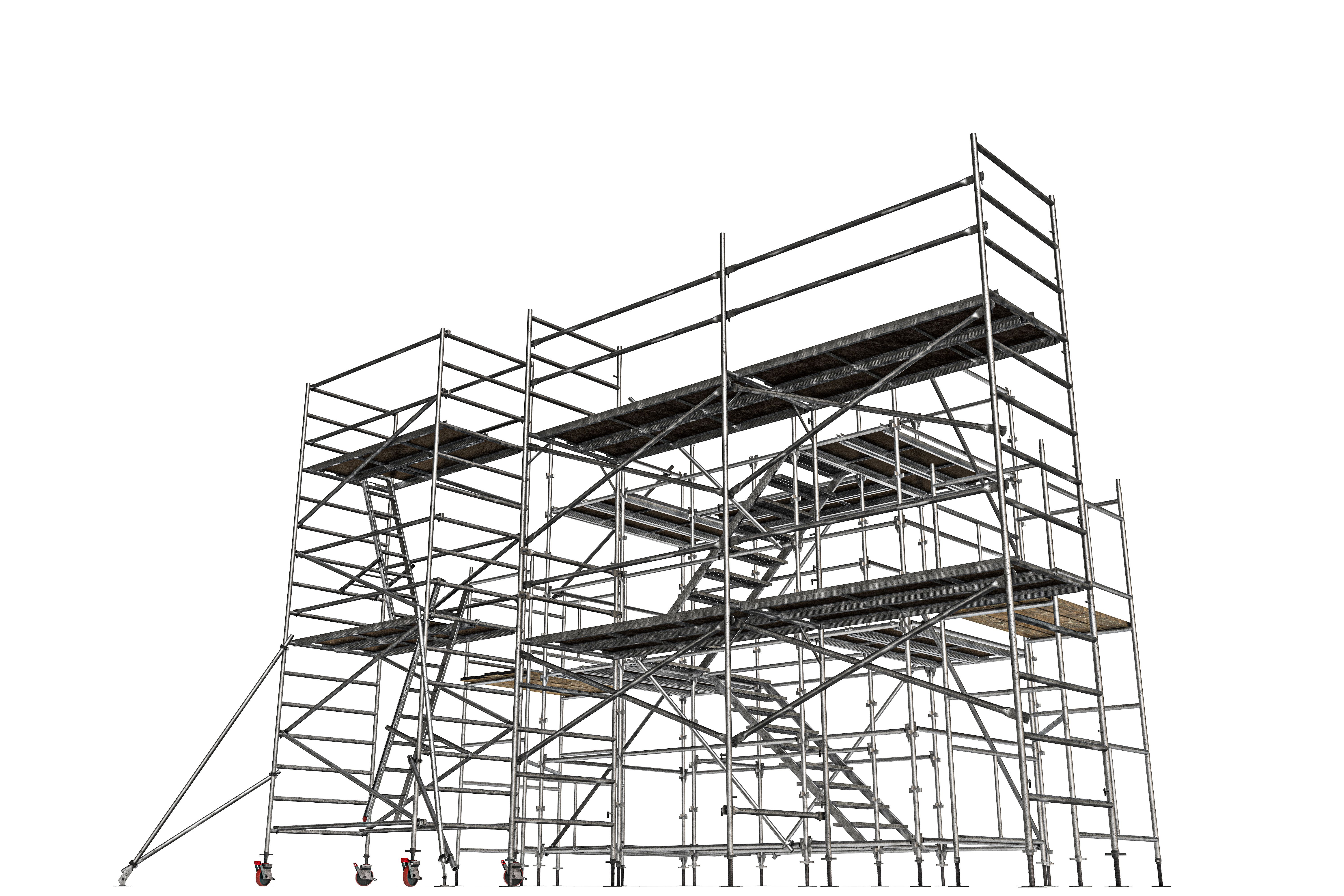
To address these challenges, the project team employed a range of innovative solutions. They utilized modular scaffolding systems, which allowed for rapid assembly and disassembly. This not only saved time but also reduced costs significantly. Additionally, the team implemented advanced safety measures, including regular inspections and real-time monitoring systems.

The project also incorporated sustainable practices, such as using eco-friendly materials and recycling waste, aligning with Surrey's commitment to environmental responsibility.
Project Execution and Timeline
Despite the complexities involved, the project was completed ahead of schedule. A phased approach was adopted, prioritizing sections of the building that required immediate attention. This methodical execution ensured that the project remained on track, despite unforeseen challenges such as adverse weather conditions.
Key Milestones Achieved
- Completion of the initial structural assessment.
- Installation of the modular scaffolding system.
- Completion of restoration work on the building facade.

Impact and Community Engagement
The positive impact of the project extended beyond the construction site. By minimizing disruption to local businesses and residents, the project maintained a harmonious relationship with the community. The construction firm also engaged with local schools, offering educational tours to inspire future generations.
This engagement fostered a sense of pride and ownership among residents, highlighting the importance of preserving Surrey's architectural heritage.
Conclusion and Lessons Learned
The successful completion of this scaffolding project in Surrey has set a new standard for similar undertakings. Key lessons learned include the importance of innovative thinking, effective communication, and community involvement. By prioritizing these elements, future projects can achieve similar success.
As Surrey continues to grow, this project serves as a shining example of how modern construction techniques can preserve the past while embracing the future.