Avoiding Common Scaffolding Mistakes: A Beginner’s Guide


Understanding the Basics of Scaffolding
Scaffolding is an essential part of construction and renovation projects, providing a stable platform for workers to perform tasks at height. However, improper use can lead to accidents and delays. Understanding the basics of scaffolding helps in minimizing risks and enhancing productivity.
Choosing the Right Type of Scaffolding
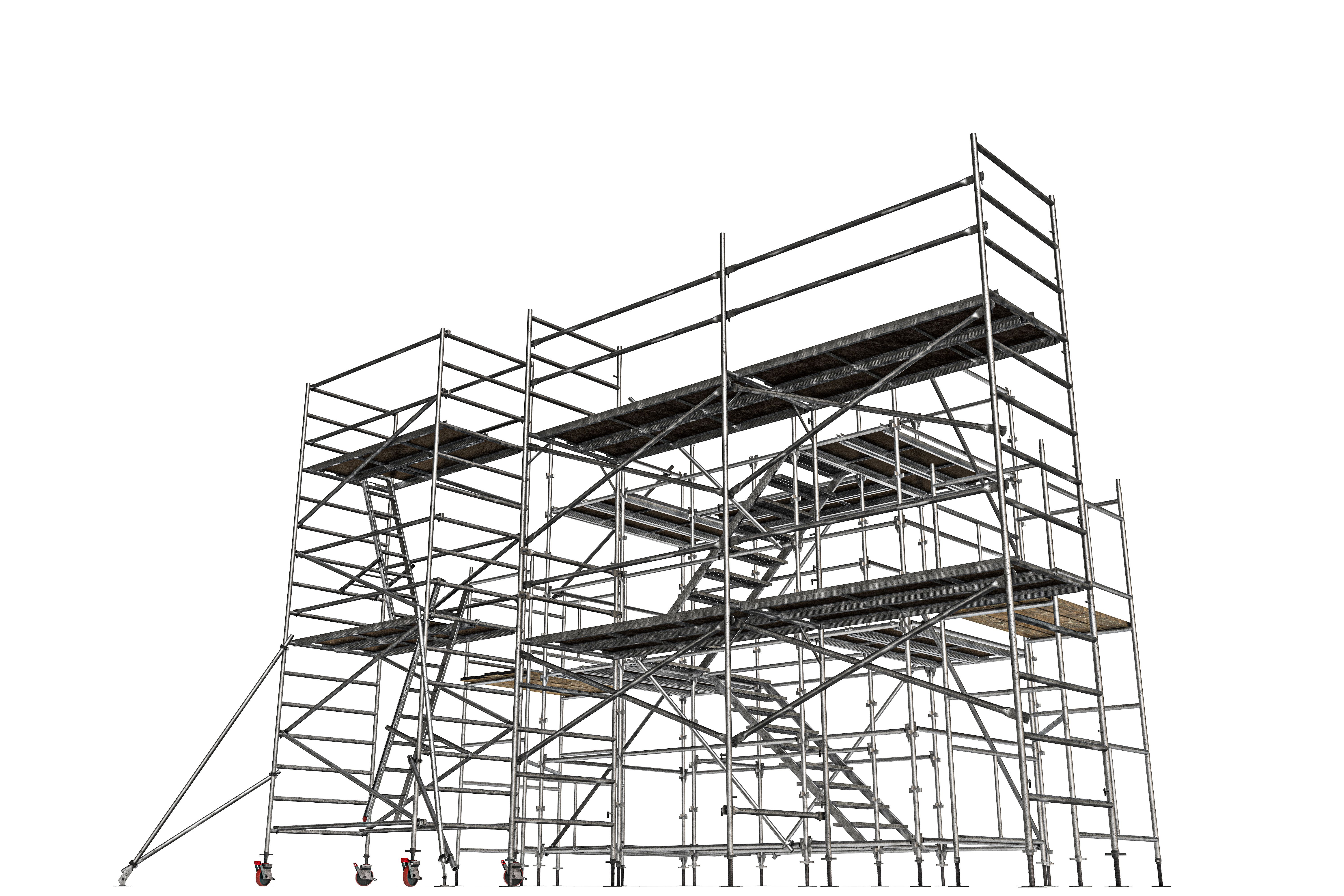
There are several types of scaffolding, such as supported, suspended, and rolling scaffolds. Selecting the right one depends on the specific requirements of your project. For example, supported scaffolding is ideal for bricklaying, while suspended scaffolding works well for painting high-rise buildings. Always consider the nature of the job and the environment before making a choice.
Proper Setup and Inspection
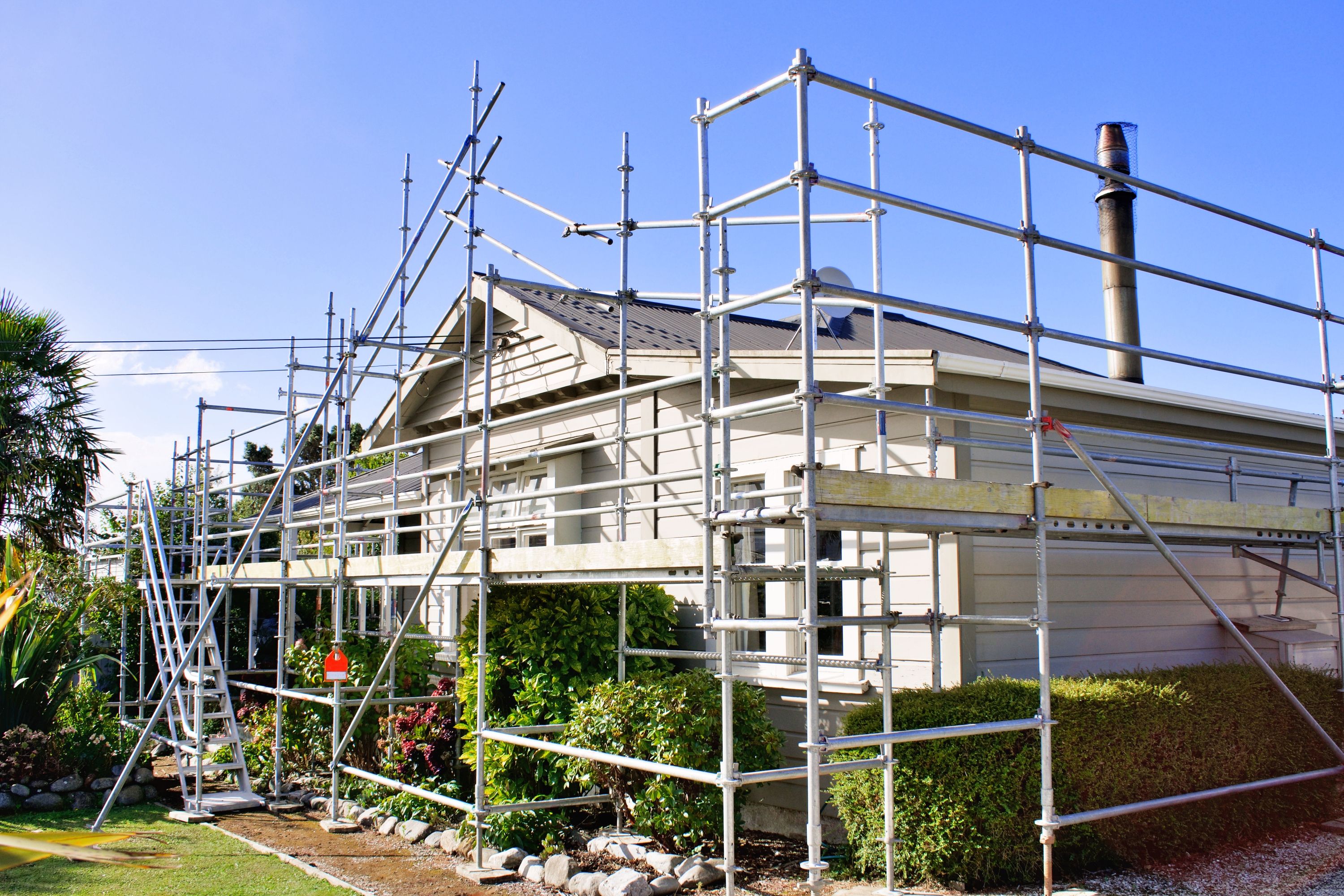
Setting up scaffolding correctly is crucial for safety. Begin by ensuring the ground is stable and level. Use base plates or mud sills to distribute weight evenly. Once set up, inspect the scaffolding thoroughly. Look for any signs of wear, damage, or missing components. Regular inspections can prevent accidents and ensure compliance with safety standards.

Weight Limits and Load Capacity
Overloading scaffolding is a common mistake that can lead to structural failure. Each scaffold has a specified load capacity. Calculate the weight of workers, tools, and materials to ensure it does not exceed this limit. Distribute the load evenly across the platform to maintain balance and stability.
Ensuring Worker Safety
Worker safety should always be a top priority. Ensure that all workers are trained in scaffolding safety practices. Equip them with personal protective equipment (PPE) such as helmets, harnesses, and non-slip footwear. Clear communication and proper signage can also help in avoiding accidents on site.

Weather Considerations
Weather conditions can significantly impact scaffolding safety. High winds, rain, or snow can make surfaces slippery and unstable. Monitor weather forecasts and avoid using scaffolding during adverse conditions. If work must continue, take additional precautions such as securing tarps or using windbreaks.
Regular Maintenance and Repairs
Regular maintenance is essential to keep scaffolding in good condition. Address any issues such as rust, corrosion, or loose connections promptly. Conduct routine checks and repairs to ensure the scaffolding remains safe and functional throughout the project.
Conclusion
By understanding and avoiding common scaffolding mistakes, you can ensure a safer and more efficient work environment. Proper setup, regular inspections, and adherence to safety guidelines are key to preventing accidents and achieving project success. Always prioritize safety and stay informed about the latest scaffolding practices.