A Comprehensive Guide to Choosing the Right Scaffolding for Your Project


Understanding Scaffolding Types
Choosing the right scaffolding for your project is crucial for ensuring safety and efficiency. The first step is understanding the different types of scaffolding available. Generally, scaffolding can be categorized into three main types: supported, suspended, and rolling scaffolds. Each type has its unique features and is suited for different kinds of tasks.
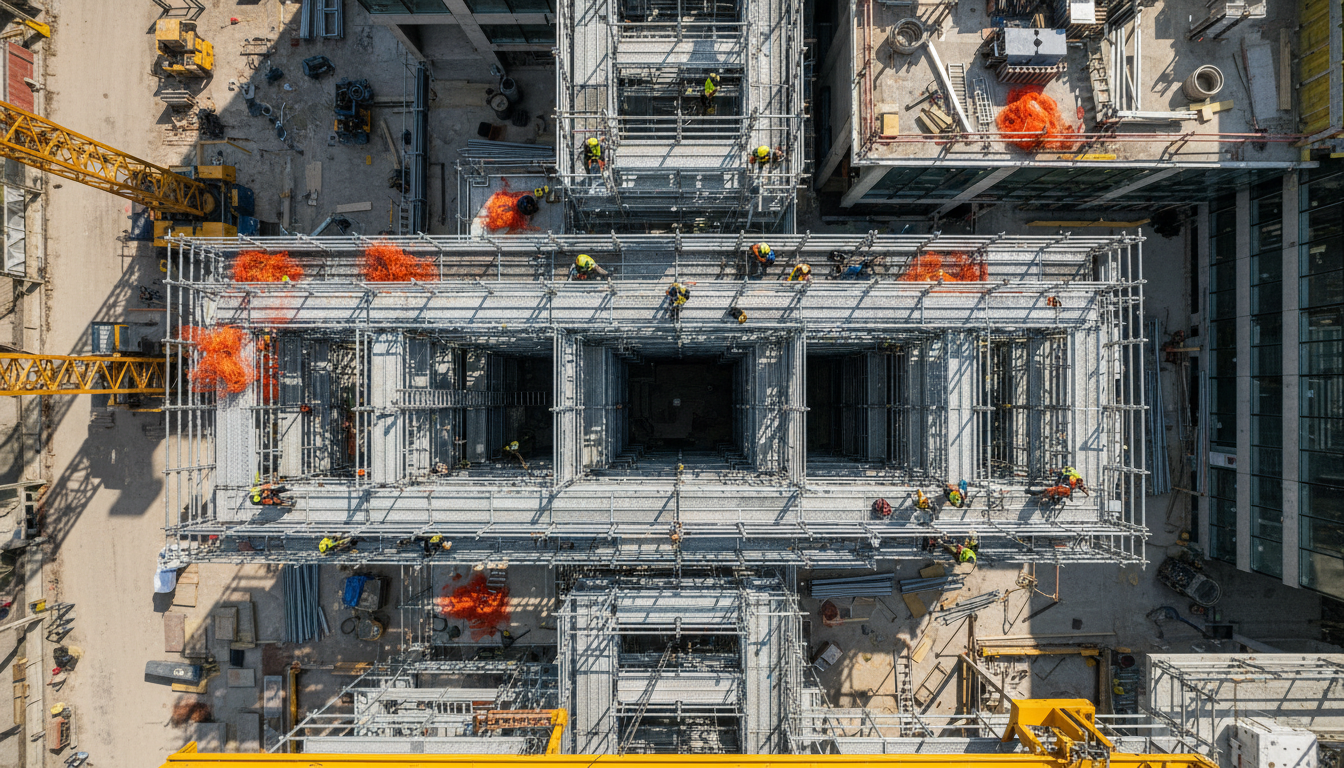
Supported scaffolds are the most common and are built from the ground up. They are ideal for projects that require stability and can support heavy loads. Suspended scaffolds, on the other hand, are hung from above and are perfect for tasks that require working at various heights. Finally, rolling scaffolds are mobile and can be moved with ease, making them great for tasks that require frequent repositioning.
Assessing Your Project Needs
Before selecting scaffolding, it’s important to assess your project needs. Consider the height you need to reach, the duration of the project, and the type of work being performed. For example, if your project involves working on a high-rise building, a suspended scaffold might be more appropriate. For tasks that involve moving around a large area, rolling scaffolds could be the best choice.
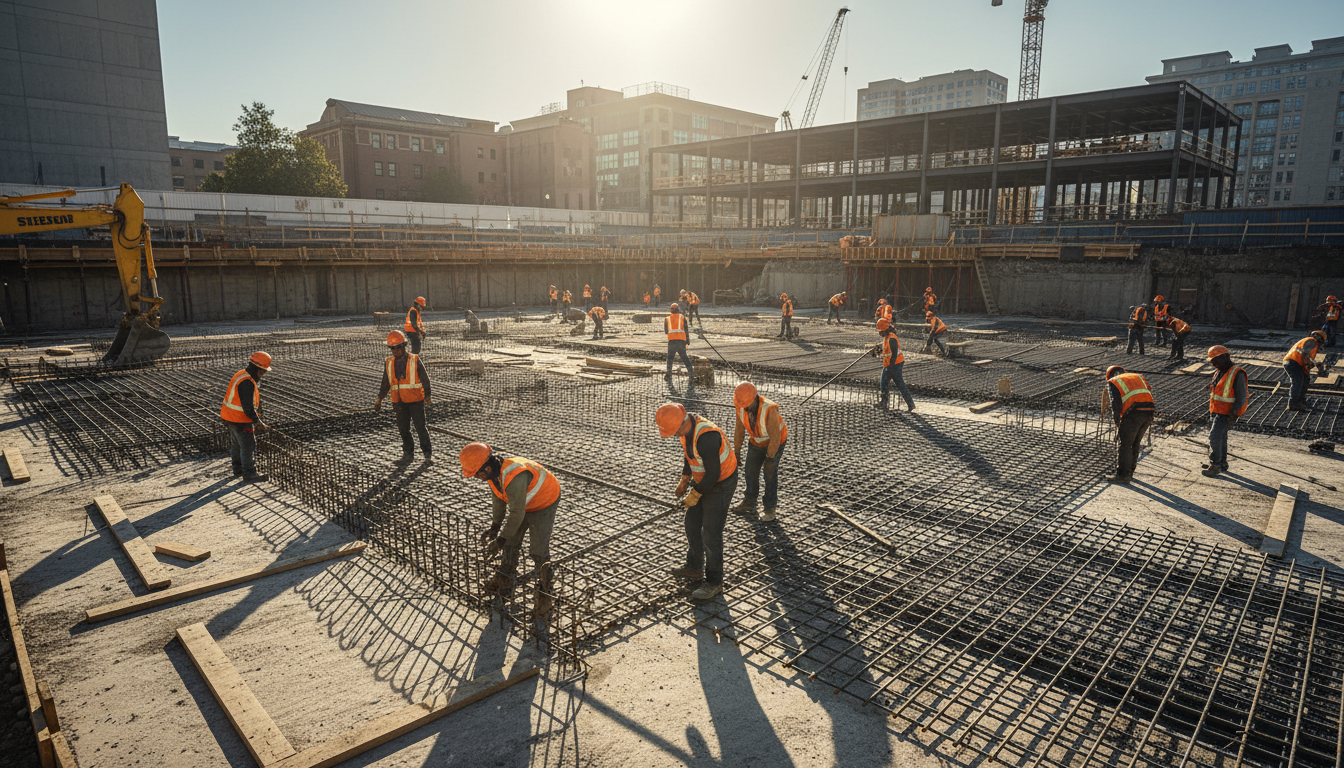
Additionally, consider the weight capacity required. Ensure that the scaffolding can support the weight of workers, tools, and materials. Safety should always be your top priority to prevent accidents and injuries on site.
Evaluating Safety Features
When selecting scaffolding, evaluating the safety features is essential. Look for scaffolding that meets industry standards and regulations. Features such as guardrails, non-slip platforms, and secure locking mechanisms are crucial for ensuring worker safety. Regular inspections and maintenance are also necessary to keep the scaffolding in optimal condition.
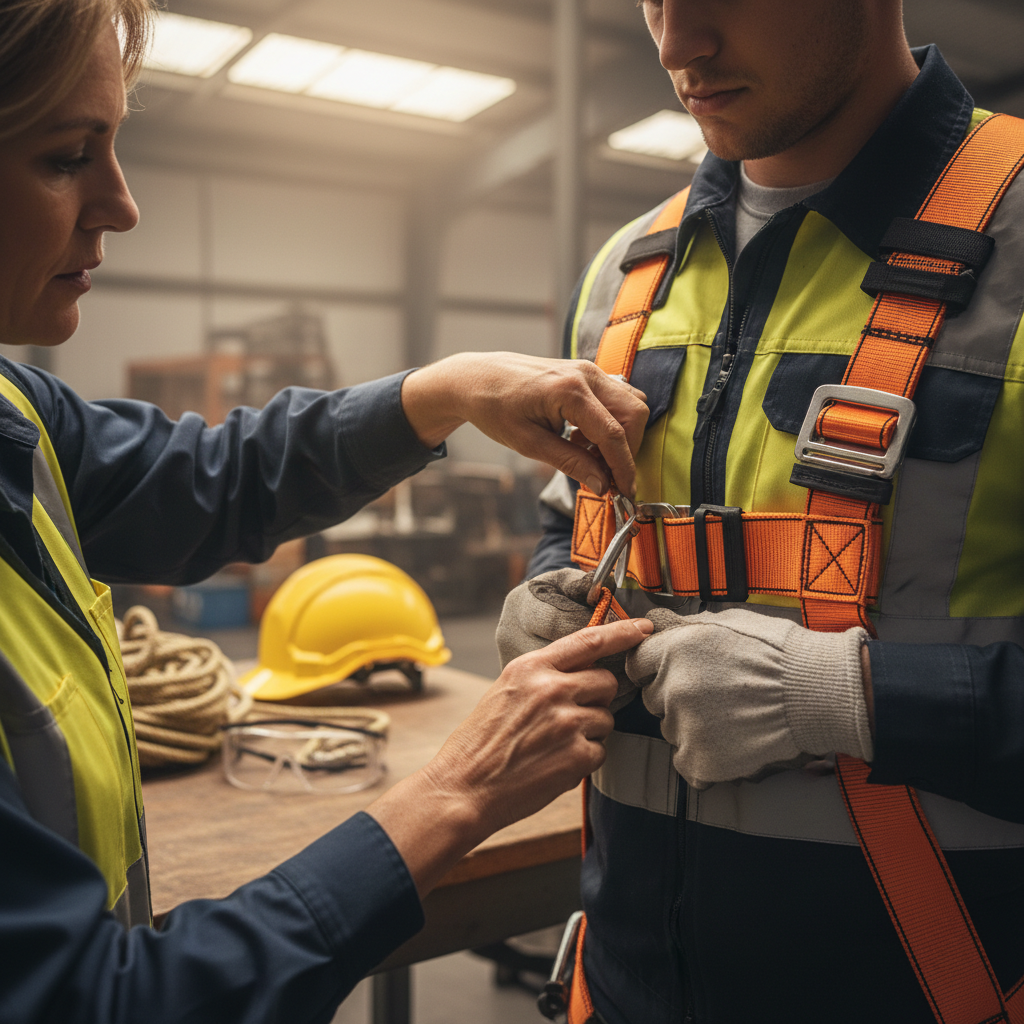
Training for workers using the scaffolding should not be overlooked. Proper training can prevent misuse and reduce the likelihood of accidents. Consider hiring experienced professionals to set up and dismantle the scaffolding if the project is complex.
Considering Cost and Budget
Cost is a significant factor when choosing scaffolding. While it might be tempting to opt for the cheapest option, it's important to balance cost with quality and safety. Investing in high-quality scaffolding can save money in the long run by reducing maintenance costs and increasing efficiency.
Consider whether renting or purchasing scaffolding is more cost-effective for your project. For short-term projects, renting may be the better option, whereas for long-term projects, purchasing might be more economical.
Final Thoughts
Choosing the right scaffolding is a critical aspect of any construction project. By understanding the different types, assessing your project needs, evaluating safety features, and considering your budget, you can make an informed decision that ensures the safety and success of your project.
Remember, the right scaffolding not only enhances productivity but also protects your workers, making it a worthwhile investment.